Experiential Travel at Nayara: The Present & Future of Luxury Travel
Luxury travel is shifting from what a hotel has to what a journey makes possible: learning, tasting, exploring, and returning home with a deeper connection to place.
Projected value of the global travel experiences sector by 2029, according to Arival and Phocuswright.
Of Europeans say completing bucket-list experiences is a top priority, according to Mastercard Economics Institute.
Projected annual growth of the culinary tourism market from 2026 to 2033, according to Grand View Research.
In short: Experiential travel puts the encounter ahead of the amenity. The hotel matters because it gives travelers better access to landscape, culture, food, wildlife, and people.
The End of Passive Luxury
Luxury once centered on possession: the suite, the view, the private pool. Those things still matter. But increasingly, they are the starting point rather than the reason to travel.
The global travel experiences sector reached $271 billion in 2025 and is projected to reach $342 billion by 2029, with growth outpacing travel overall. Phocuswright and Arival describe experiences as one of travel's fastest-growing segments.
That shift favors hotels that can do more than isolate guests from a destination. The strongest properties become gateways into it.
Food Becomes a Way Into the Destination
Culinary tourism is projected to grow from $19.1 billion in 2026 to $76.4 billion by 2033. Grand View Research attributes that growth in part to travelers seeking local food as a way to understand culture, heritage, and place.
At Nayara, that means open-fire cooking in Arenal, Costa Rican ingredients reframed through different culinary traditions, and desert ingredients and techniques in the Atacama. The point is not simply to eat well. It is to understand where you are through what grows, cooks, and arrives at the table.
Explore Forest to Table in Arenal.
.png?width=1200&height=800&name=Imagen%20principal(7).png)
Family Travel Becomes an Expedition
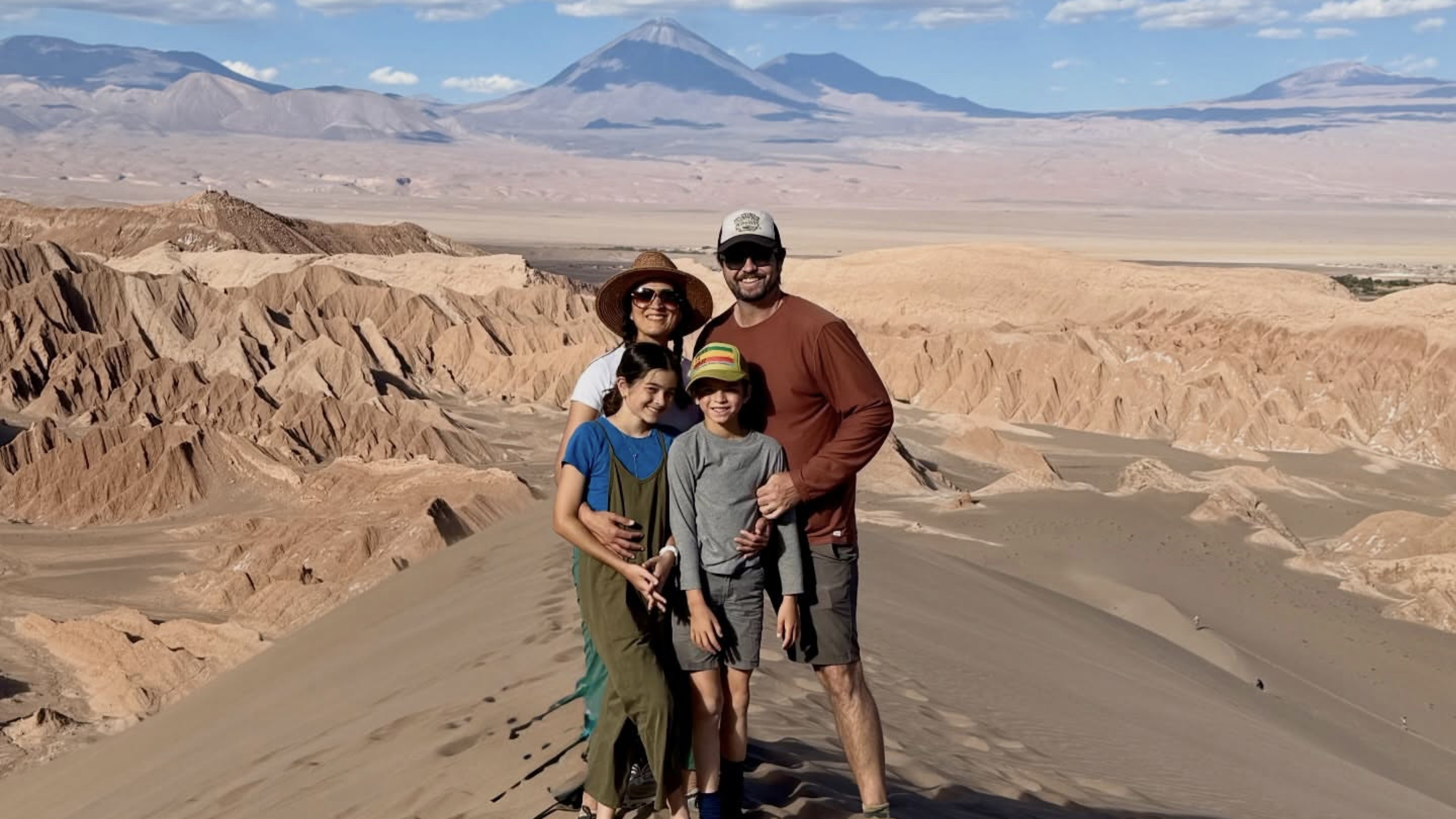
The best family trips give different generations something to discover together. A sloth in the canopy, a night sky seen through a telescope, or a story told at an archaeological site creates a shared reference point that no children's program can manufacture.
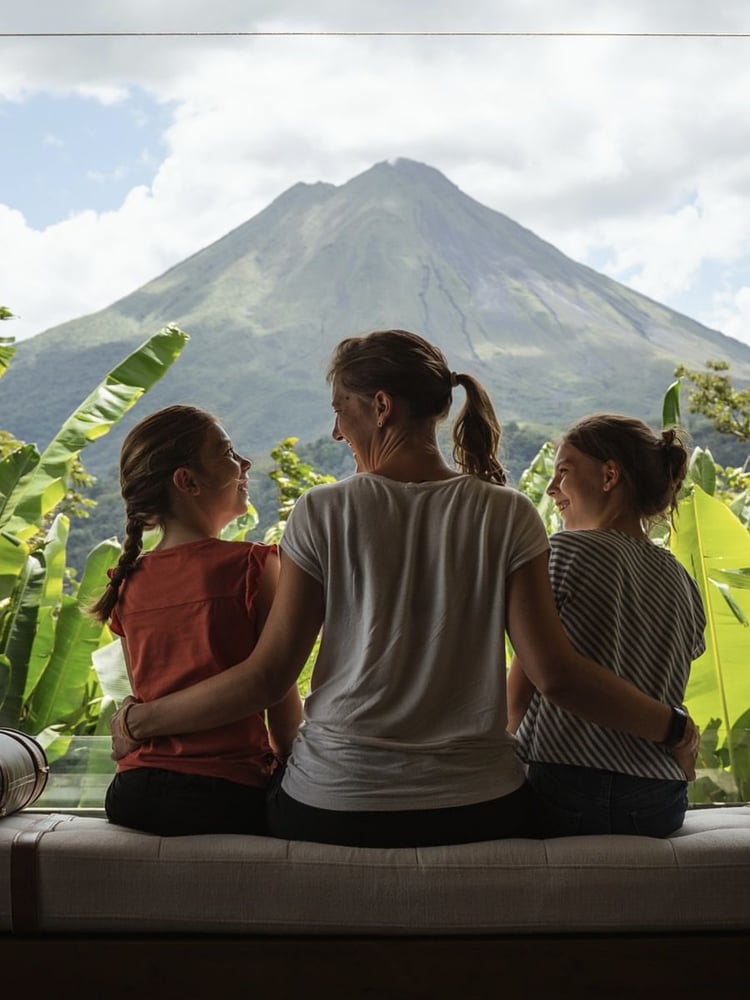
In Arenal, wildlife and natural hot springs make the rainforest accessible across ages. In the Atacama, families move between geology, astronomy, and high-altitude landscapes. On Easter Island, the moai open into a much larger story of Polynesian navigation and living Rapa Nui culture.
Nature Is Not the Backdrop. It Is the Experience.
Research increasingly links time in nature with benefits to attention, mood, stress, and well-being. The American Psychological Association summarizes a growing body of evidence around both cognitive and emotional effects.
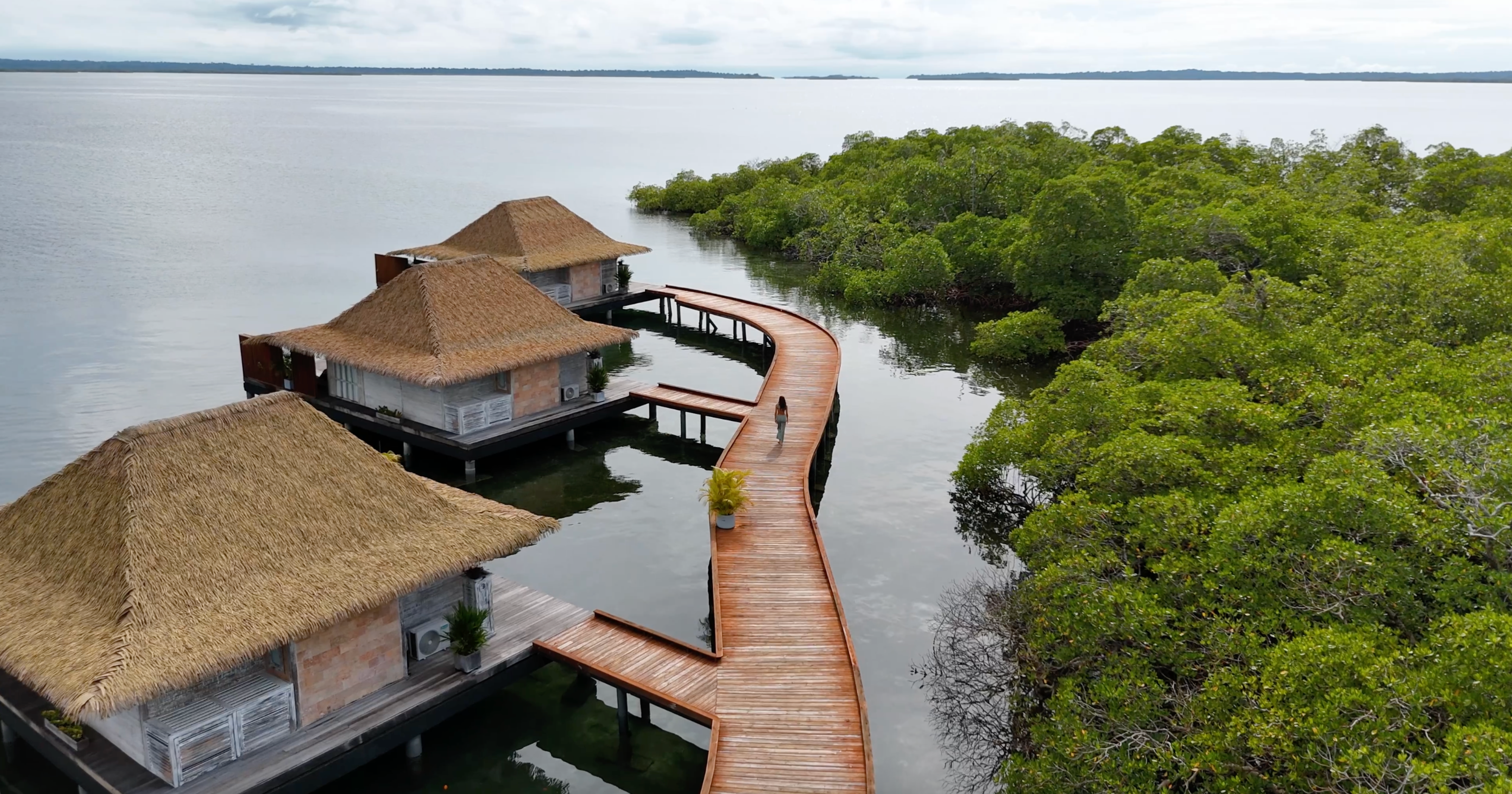
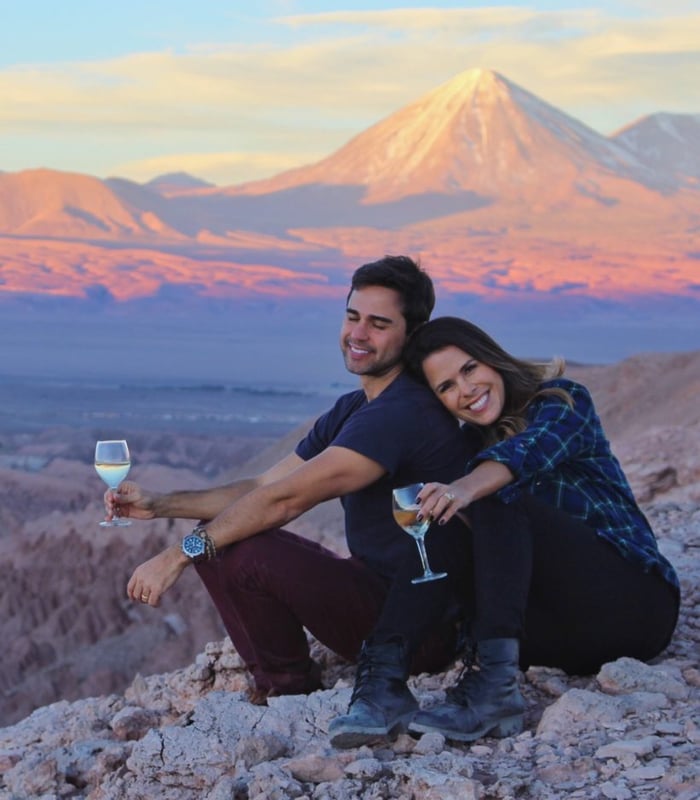
For experiential travel, the implication is larger than wellness. Landscapes can become the organizing principle of a trip. In Arenal, the rainforest determines the rhythm. In Bocas del Toro, the Caribbean determines how you move. In the Atacama, altitude, light, and darkness dictate the day. On Rapa Nui, archaeology and volcanic terrain make the island itself inseparable from its history.
A resort rooted in place does not need to manufacture experience. It needs to create access to what is already there.
The Experience Has to Mean Something
Experiential travel becomes shallow when every encounter is staged for consumption. The more meaningful version asks who interprets a place, who benefits from tourism, and whether the experience strengthens or erodes what made the destination worth visiting.
That is why local naturalists, guides, cooks, and community relationships matter. Knowledge changes an excursion from sightseeing into understanding. Stewardship ensures that access does not become extraction.
The future of luxury travel is not more spectacle. It is deeper participation in place.
Experiential Travel
What is experiential travel?+
Why is experiential travel growing?+
What makes a hotel good for experiential travel?+
Which Nayara destinations are best for experiential travel?+
Is experiential travel the same as adventure travel?+
Albert Ghitis
Digital Marketing · Nayara Resorts
Albert Ghitis leads digital marketing at Nayara Resorts, overseeing editorial and newsletter strategy, search and AI discovery, and paid digital media. He is also the host of Nayara Horizons: Beyond Travel, a podcast exploring the people, places, and ideas shaping travel today.
More from Albert Ghitis →Move Through the World, Don't Just Look at It
Choose a journey shaped by food, nature, culture, and meaningful encounters.
Travel Trends
- Phocuswright & Arival: Travel Experiences 2026
- Arival: Experiences Surging Toward $342 Billion
- Mastercard Economics Institute: European Travel in 2025
- Grand View Research: Culinary Tourism Market
- American Psychological Association: Nurtured by Nature
- UCLA Health: Health Benefits of Time in Nature
- Nayara Journal: Forest to Table
- Nayara Resorts: Our Resorts
.jpg)