The global experiences sector by 2029, growing about 8% a year and outpacing the wider travel industry by more than 60%.
of travelers now prioritize bucket-list experiences, even cutting back on luxury goods to fund them.
Year-over-year surge in multigenerational bookings, the fastest-growing way to travel.
The end of passive travel
Travelers no longer choose destinations for their hotels. They choose them for what happens within those walls.
The global experiences sector reached $271 billion in 2025 and is projected to pass $342 billion by 2029, growing about 8% a year, which outpaces the wider travel industry by more than 60%. According to the Mastercard Economics Institute, 70% of travelers now prioritize bucket-list experiences over luxury goods. The shift is structural, not cyclical.
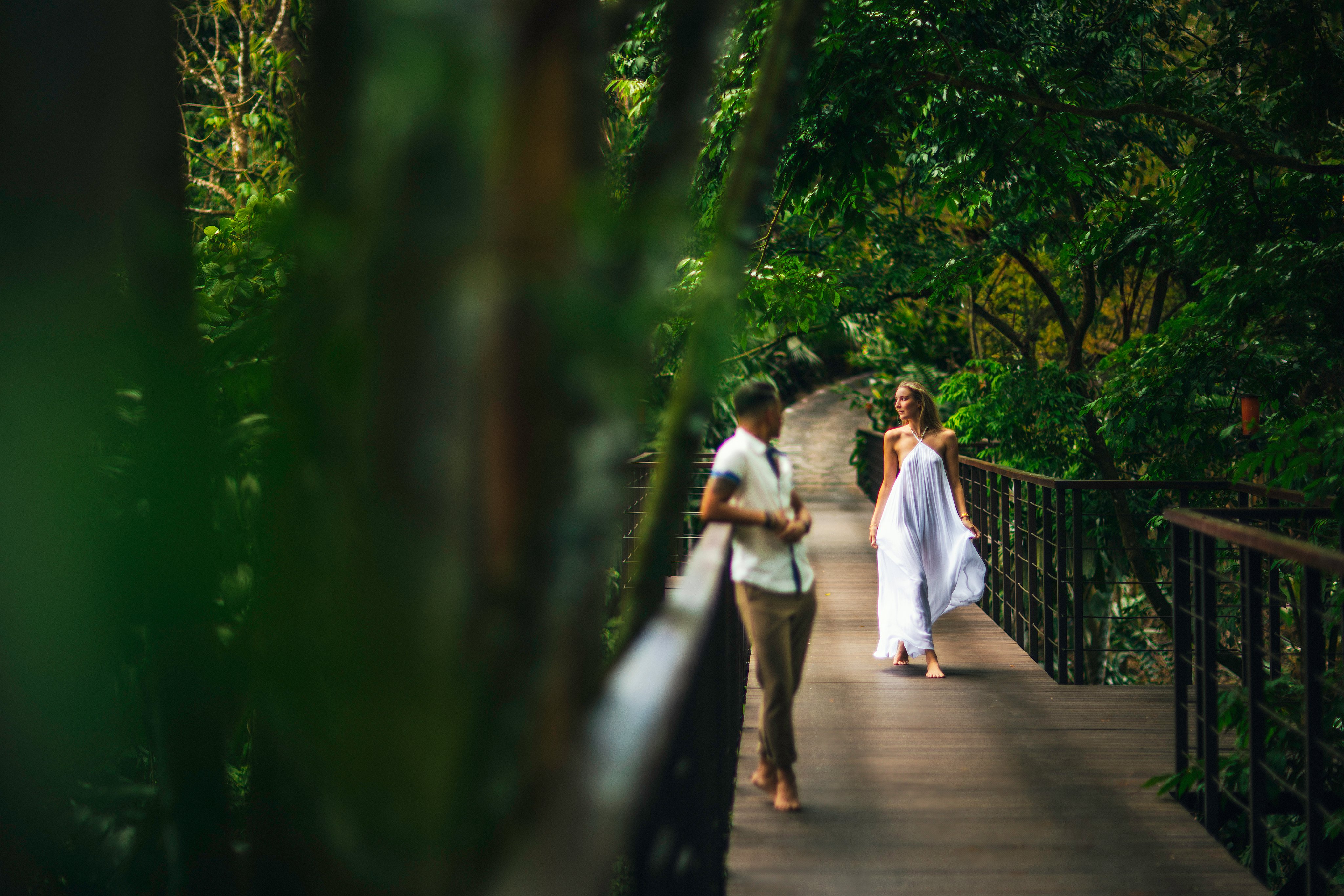
It shows up as the volcanic hot spring at dawn, the cooking class that changes how you eat at home, the hanging-bridge walk that recalibrates your relationship with fear. Nayara's six properties across Costa Rica, Chile, and Panama were built around encounters, not rooms. What follows is the philosophy that connects them.
Food as a language
The culinary tourism market is projected to grow from $16.1 billion in 2025 to $76.4 billion by 2033, nearly 22% a year. One in five travelers now books trips specifically to explore food, and half secure dining reservations before booking any other activity.
At Nayara, food is a vocabulary, and the kitchens become classrooms. At Ayla in Tented Camp, open-fire cooking teaches elemental technique. At Asia Luna in Gardens, chefs work Costa Rican ingredients into Asian-Latin fusion. The chocolate experience runs from pod to bar. At Ckelar in Alto Atacama, ancestral Atacameño methods use ingredients from the driest desert on Earth. These are not demonstrations. They are skills guests carry home.
Family as expedition
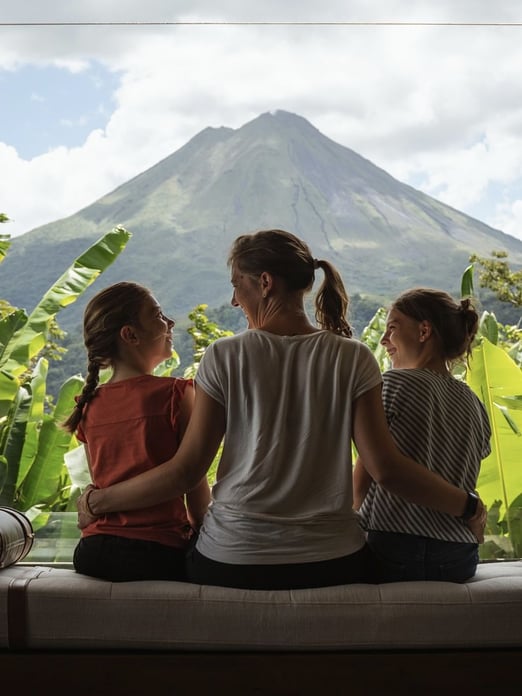
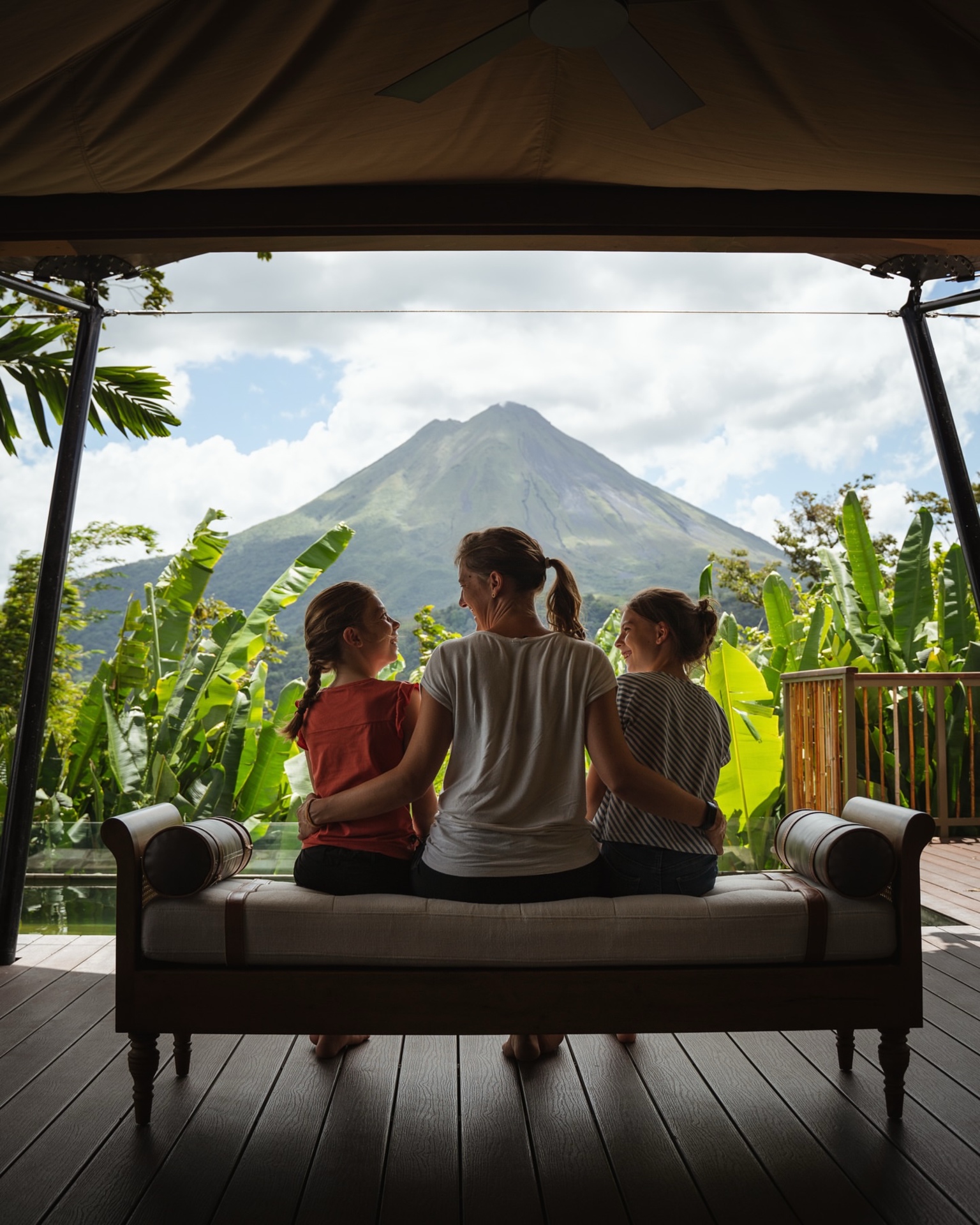
Family travel surged 67% year over year in 2026, outpacing luxury and adventure travel combined, and nearly half of all travelers now choose multigenerational trips. The challenge is constant: how do you satisfy a four-year-old, a fourteen-year-old, and a seventy-four-year-old at once?
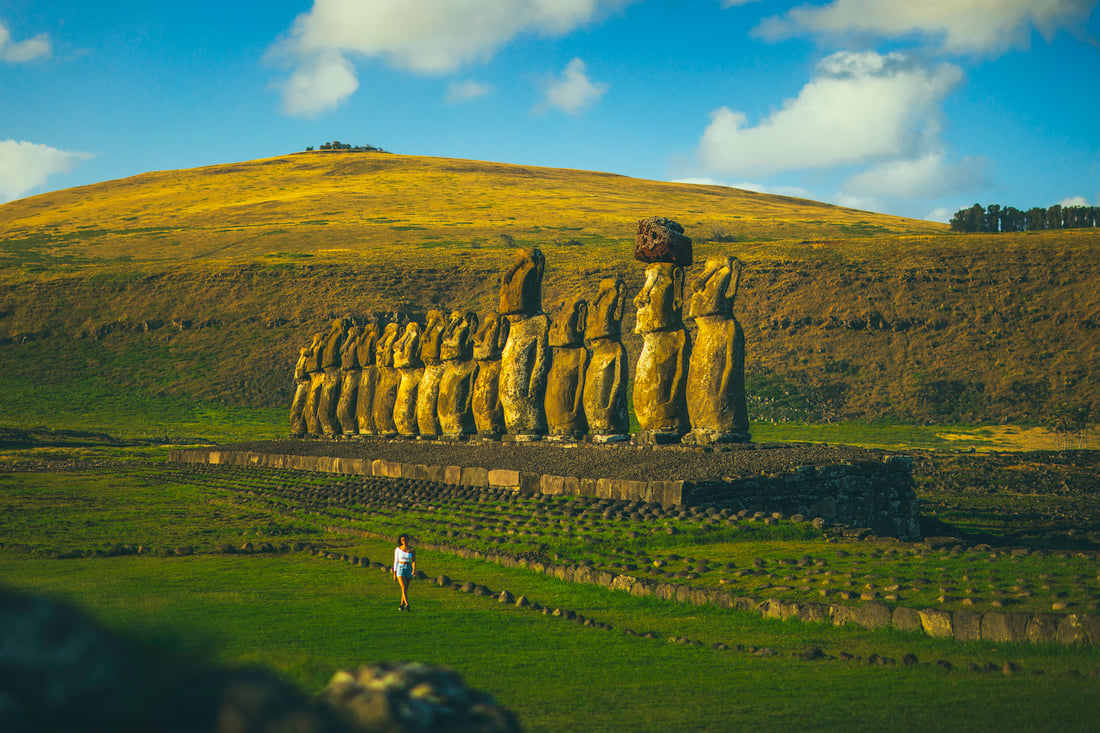
Nayara's answer spans three countries. In Costa Rica, the rainforest becomes a classroom. In Chile's Atacama, Rainbow Valley writes millions of years of Earth's history in color. On Easter Island, the Moai stand as the world's greatest open-air museum. Every property accommodates every generation at once: teenagers zip-line while grandparents soak in thermal pools, and the adventure becomes the bond.
Nature as architecture
Nature exposure improves attention, reduces stress, lifts mood, and lowers psychiatric risk. The American Psychological Association and UCLA Health document distinct benefits across immunity, cognition, cardiovascular health, sleep, stress, activity, and emotional regulation.
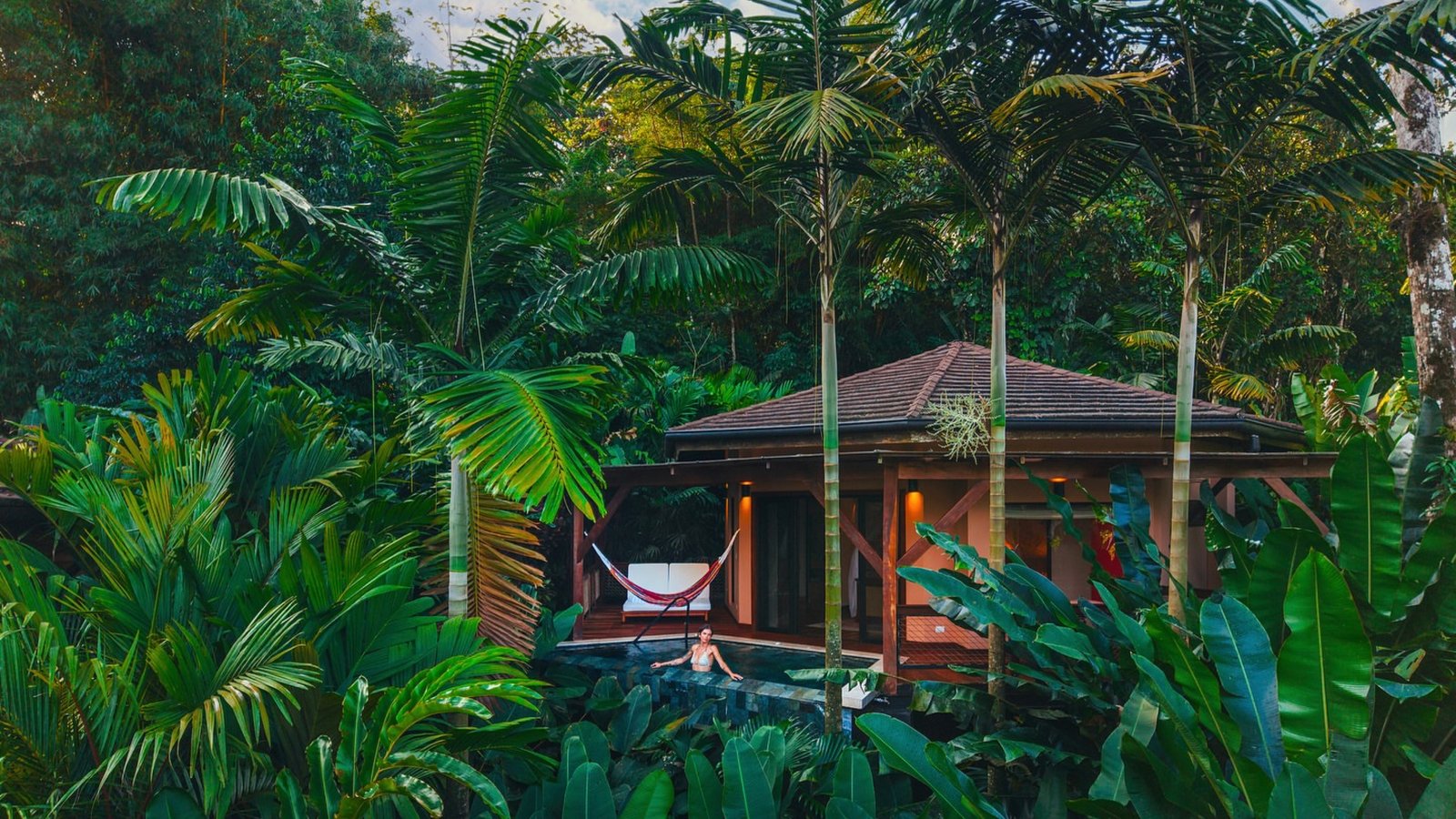
Every Nayara property is embedded in its ecosystem, not imposed on it. Alto Atacama sits within 55,000 acres of protected desert under the clearest skies on Earth. Gardens and Tented Camp border Arenal Volcano National Park, home to 500-plus bird species and half the world's butterfly species. Bocas del Toro floats above Caribbean coral reefs. Hangaroa sits on the most remote inhabited island on Earth. These are not resorts with nature views. They are nature with rooms.
Purpose beyond the stay
Travelers increasingly want their presence to contribute rather than extract. At Nayara, sustainability is not a program bolted on. It is the architecture.
Alto Atacama's stewardship work protects fragile Atacameño ecosystems. The Costa Rica properties hold Green Globe certification, supporting reforestation, wildlife corridors, and local employment. At Hangaroa on Easter Island, Rapa Nui cultural preservation is woven into every guest interaction. At Bocas del Toro, marine conservation and coral restoration define the property's relationship with the sea. When you stay at Nayara, the land is better for your having been there.
Built for this moment
Travelers in 2026 prioritize transformation over relaxation. They choose family adventure over luxury goods. They expect travel to create a positive impact, and they pick destinations for what they will do, feel, and learn, not for thread count.
Nayara was built for this moment, not because we followed a trend, but because we began here, in the volcano's shadow, in the desert's silence, in the rainforest's embrace, and built outward from experience itself. Six properties. Three countries. One philosophy.
The world is not something you look at.
It is something you move through, taste, touch, and carry home changed.
What is experiential travel?
Which Nayara is best for food?
Which Nayara is best for families?
Is Nayara sustainable?
- Arival / Phocuswright: Experiences surging toward $342 billion (2026)
- Mastercard Economics Institute: European Travel in 2025
- Grand View Research: Culinary Tourism Market Size & Share Report (2025)
- Forbes: The Bucket List Family's best travel adventures (2026)
- American Psychological Association & UCLA Health: benefits of time in nature
- AAA: Top Travel Trends of 2026
Move through the world, don't just look at it
Six properties across Costa Rica, Panama, and Chile, each built around the experience itself.
.jpg)