---
title: "Birdwatching in Costa Rica: Toucans of Arenal and Where to See Them"
description: Take a look at this article on the Toucans of Arenal!
image: https://blog.nayararesorts.com/hubfs/IMG_5791.jpg
---
[Blog](https://blog.nayararesorts.com/)
[](https://nayararesorts.com/)
SUBSCRIBE
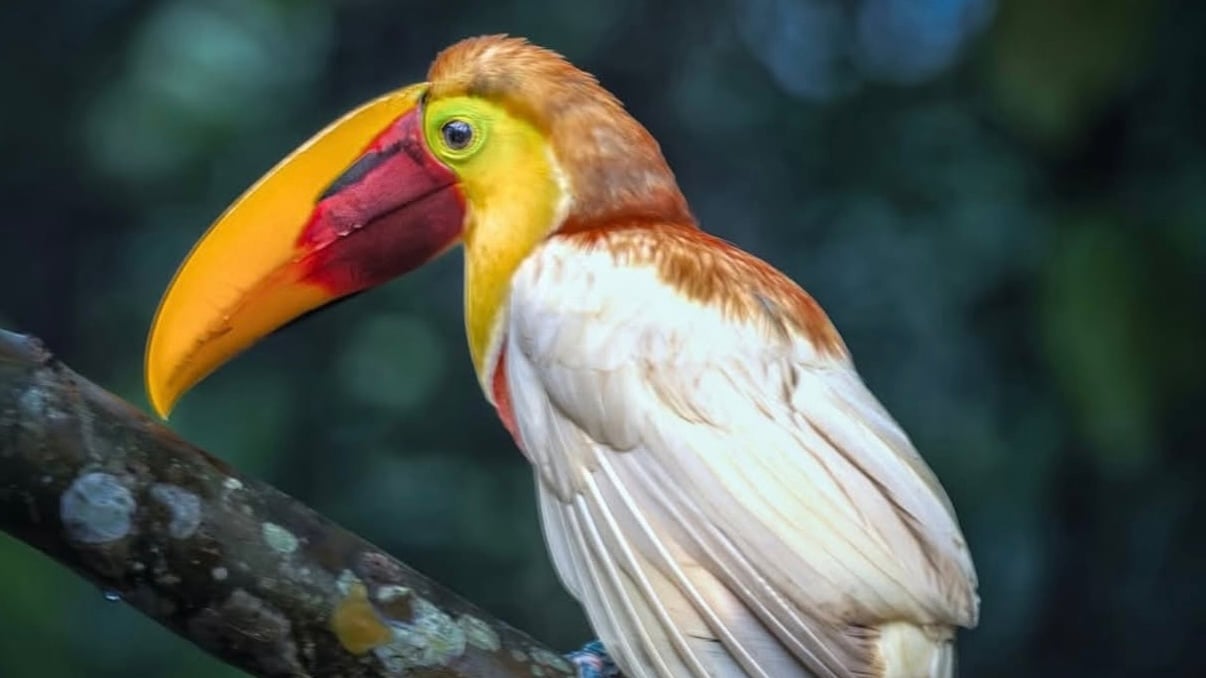
# Birdwatching in Costa Rica: Toucans of Arenal and Where to See Them
[Albert Ghitis](https://blog.nayararesorts.com/author/albert-ghitis-1)
Sep 10, 2024
Key Findings
900+
Bird species recorded in Costa Rica, more than in the entire United States.
6
Toucan species in Costa Rica. Three of them live in the Arenal rainforest around Nayara.
25+
Hummingbird species inhabit Costa Rica, many of them found in the Arenal region.
40,000
Native trees planted at Nayara Tented Camp, bringing toucans back to a canopy that had been cleared for pasture.
The Field Guide
## Why Arenal Volcano Is the Best Birdwatching Destination in Costa Rica
**In short:** The Arenal region sits at the intersection of two major bird migration routes, with an elevation gradient that runs from lowland rainforest to cloud forest. That combination puts more than 900 species within reach of a single morning walk, including three toucan species that live around Nayara Gardens, Nayara Springs, and Nayara Tented Camp year round.
Costa Rica is a birdwatcher's paradise. With over 900 species of birds, more than the entire United States, the country offers some of the world's most spectacular avian encounters. The Arenal region, where Nayara Tented Camp is nestled, is particularly renowned for its incredible diversity, from the iconic Resplendent Quetzal to the unmistakable Toucan.
Every year, millions of birds pass through Central America, and many stop in the Arenal rainforest to feed, rest, and breed. The elevation gradient, running from lowland rainforest to cloud forest, creates multiple habitat zones, each with its own distinct bird community.
The result is extraordinary diversity. In a single morning walk through the forest around Tented Camp, you might see 30 or more species. In a full day, experienced birders have recorded over 100. The best time is early morning, when birds are most active and vocal. The dawn chorus, the synchronized singing of multiple species at first light, is one of nature's most magical experiences.
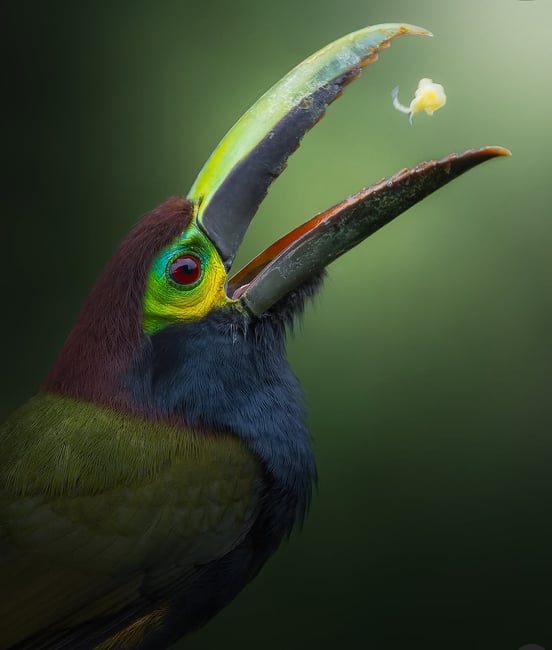
Toucans are far more comfortable perching than flying, which makes the dense, fruit-heavy canopy around Arenal an ideal home.
The Toucans
## Meeting the Toucans of the Arenal Rainforest
The Toucan is one of the most recognizable animals in the world, and travelers come from everywhere to see them, alongside sloths, howler monkeys, scarlet macaws, and red-eyed tree frogs. What many visitors do not know is that Costa Rica is home to six different toucan species, each with its own size, shape, colors, and personality. In the Arenal rainforest, three of them are found all around us: the Keel-Billed Toucan, the Chestnut-Mandibled Toucan, and the Collared Aracari.
Toucans are omnivorous birds that thrive in hot climates, particularly in dense tropical forests at low elevations where food is abundant. They are far more comfortable perching on branches than flying, and typically hop or glide rather than spend extended time in the air, which makes these rich forests an ideal habitat.
A few decades ago, with deforestation sweeping across Costa Rica, all six toucan species here were under severe threat from habitat loss and dwindling food supplies. Conservation policy over the past half century has allowed them to recover. Much of the land around Nayara Gardens, Nayara Springs, and Nayara Tented Camp had been turned to pasture in the late 1900s, forcing the toucans elsewhere. With reforestation accelerated by rich volcanic soil and a near perfect climate for tree growth, they are back in the canopy around all three resorts.
Behavior
## Common Traits of the Arenal Toucans
The most noticeable feature of any toucan is its bill, which can be up to four times the size of its head, but that is not the only thing that sets these birds apart. Toucans have strong family and social structures, often traveling in groups of between 6 and 20 or more, and they engage in playful behaviors like tossing fruit back and forth in a game of catch.
Toucan parents are attentive. They mate monogamously and raise chicks until the young can fend for themselves, which takes a while given the comparatively awkward movement that continues into adulthood. Toucans are often portrayed as elegant and majestic because of their color, but within the bird world they are loud, clumsy, hungry, and confrontational. For those who know them well, that adds an endearing goofiness to everything they do.
### How Can I See Toucans in Arenal?
Toucans are all around us in the rainforest, so you can encounter them on almost any tour or experience. You can meet them simply walking around your resort, and they have been known to perch right outside the windows of our tents, rooms, and residences.
Look for them perched in the trees during the day, or slumbering in groups at night to hide from predators. Toucans are most active at dawn and dusk, so an early morning walk or a tour just before sunset is the best window. Unlike many species that pass through the Arenal rainforest, toucans do not migrate. They are year round residents and neighbors, which means you can see them any time of year.
### Why Do Toucans Have Such Colorful Beaks?
The size and shape of the bill is relatively easy to explain. It lets a toucan reach food far out on branches or deep inside tree cavities, and its serrated edges give the bird the versatility to eat everything from fruits, nuts, and seeds to insects, other birds' eggs, and even small reptiles.
The color is harder to account for. Some researchers theorize that the bright bill attracts mates or deters predators such as predatory birds, large snakes, and forest cats. Toucans will smack their bill against a branch when confronted, and the colors may add a visual element to that display.
Species 01
## The Keel-Billed Toucan
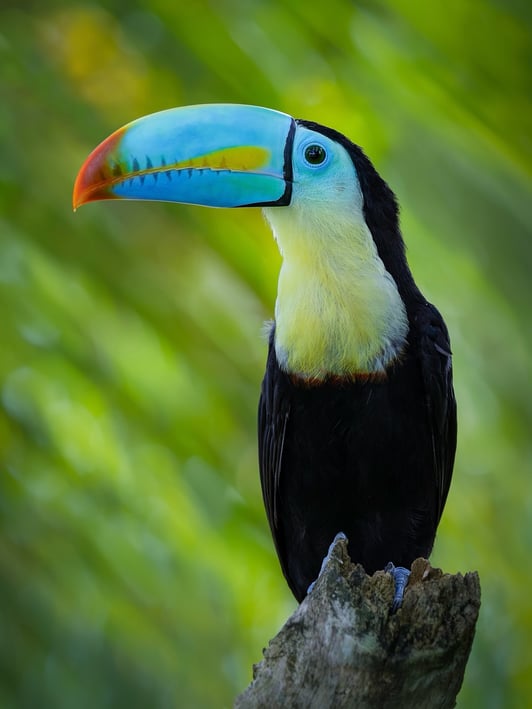
The Keel-Billed Toucan is the most famous and recognizable of the three, thanks to a multi-colored bill that blends just about every color in the rainbow. They are highly sociable and are typically seen grouped together on the branches.
You will know they are nearby thanks to their loud, croaking call, which carries up to half a mile through the forest. Despite its size, the bill is remarkably light, built from a honeycomb of keratin that also helps the bird regulate its body temperature in the tropical heat.
The most recognizable bird in the Arenal canopy, its bill blending green, orange, red, and blue into something that looks painted rather than grown.
The largest toucan in Costa Rica, identified by a two-toned bill rather than the rainbow of its cousin.
Species 02
## The Chestnut-Mandibled Toucan
Also known as the yellow-throated toucan, the Chestnut-Mandibled is the largest toucan found in Costa Rica, with a distinctive two-colored bill that separates it from the rainbow bill of the Keel-Billed.
With that larger size comes an even more far-ranging diet, adding small snakes and even young birds to its favorite foods. You can usually tell these toucans are in the area by their yelping yo-YIP cry, one of the most distinctive sounds in the Arenal canopy.
Species 03
## The Collared Aracari
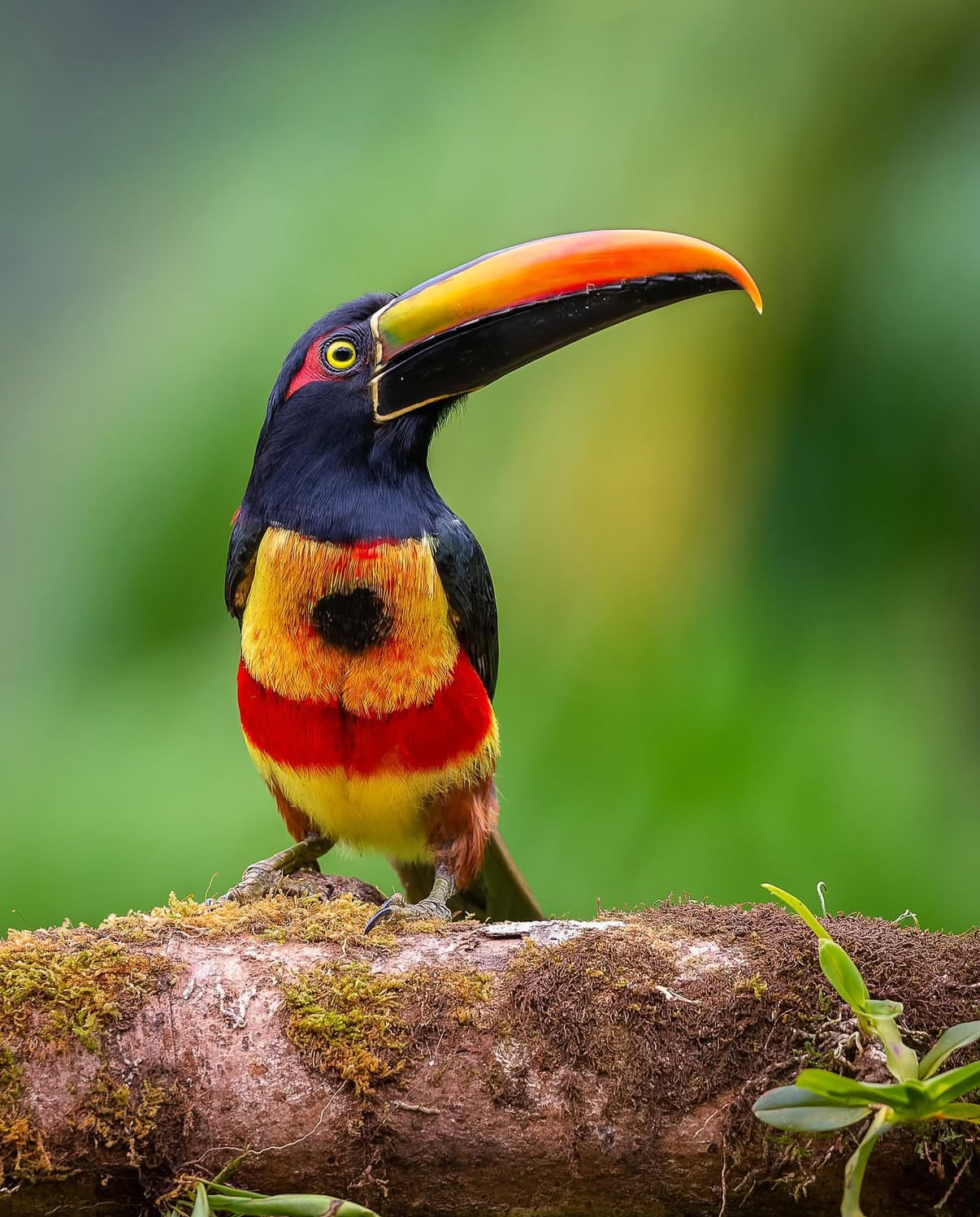
Aracaris look a little different from the toucans most people picture. They belong to the same family and share many of the traits, including long beaks, diverse diets, a social nature that keeps them in groups of 6 to 15, and a preference for dense lowland forest.
What sets the Collared Aracari apart is its masterful scavenging of fruit. These birds have been spotted stretching out on a single foot, bending entirely backward, and even hanging upside down in pursuit of a choice piece, and if you are lucky you might catch them in the act. Their call is equally distinctive, combining high-pitched squeaks with lower rattling notes.
At a glance, toucans are majestic. After getting to know them, you see that they are also awkward, goofy, and social, with personalities and squabbles and games that are incredible to watch. There is always more than meets the eye in the rainforest.
Nayara Resorts
The Rare One
## The Resplendent Quetzal: Where to See Costa Rica's Rarest Bird
The Resplendent Quetzal is widely considered one of the most beautiful birds in the world. In Aztec belief the quetzal was sacred, associated with the god Quetzalcoatl. Today it appears on the flag of Guatemala and is that country's national bird.
The male is unmistakable: brilliant emerald green upperparts, a crimson breast and belly, and extraordinarily long tail feathers that can extend 24 inches beyond the body. The female is less colorful but equally elegant, with green upperparts and a golden buff breast. Both sexes share a distinctive call, a series of whistles that sound like kew-zal, kew-zal.
Quetzals live in cloud forest habitat at higher elevations, typically above 4,000 feet. They feed primarily on the avocado-like fruits of wild avocado trees and depend heavily on undisturbed forest. During breeding season, from March to June, males perform elaborate display flights, diving steeply with their tail feathers streaming behind them.
Seeing a quetzal is considered a privilege among birders. If you are fortunate enough to encounter one, take a moment to simply observe. The experience of seeing such a magnificent bird in its own habitat is unforgettable.
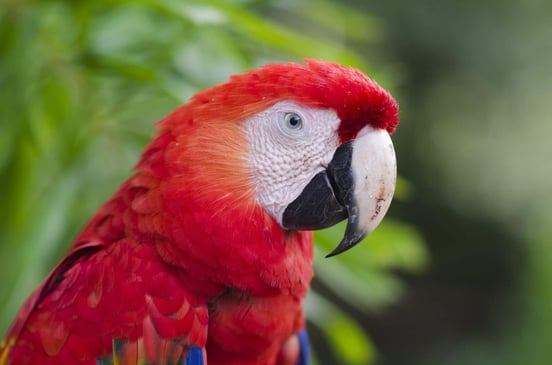
Parrots move through Arenal in noisy, fast-flying flocks, green against green until the light catches them. They travel in pairs within the larger group, and the pairs hold season after season.
The Loud Ones
## Macaws and Parrots in the Arenal Rainforest
The Arenal region is home to several species of macaws and parrots, including the Scarlet Macaw, the Great Green Macaw, and a range of smaller parrot species. These large, colorful birds are highly vocal and usually announce their presence before you see them, a mix of squawks, screeches, and whistles echoing through the canopy.
Macaws are long lived, with some individuals passing 50 years, and they often mate for life. They are intelligent and social, typically seen in pairs or small family groups, feeding on seeds, nuts, and fruit. In doing so they play an important role in forest regeneration, dispersing seeds across the landscape.
The Scarlet Macaw is the most striking, brilliant red with blue and yellow wings. The Great Green Macaw is predominantly green with red on the forehead and tail, and where great greens are thriving the forest around them usually is too. Both are impressive in flight, with wingspans that can exceed 3 feet.
The Small Ones
## Hummingbirds of Costa Rica: Species Found Near Nayara
Over 25 species of hummingbirds inhabit Costa Rica, and many can be found in the Arenal region. These tiny birds, some weighing less than a penny, are among the most remarkable creatures in nature. Their wings beat up to 80 times per second, allowing them to hover in place and even fly backwards, and their heart rate can exceed 1,000 beats per minute.
Hummingbirds feed on nectar and must consume roughly half their body weight in sugar every day to fuel that metabolism. They are highly territorial and will aggressively defend a feeding area from other hummingbirds. Their iridescent plumage, which appears to shift color depending on the angle of light, is one of nature's most beautiful displays.
### Violet Sabrewing
The largest hummingbird in the region, deep violet with a curved bill built for heliconia. Its size is startling the first time you see one, closer to a small songbird than to what most people picture.
### Green Hermit
A long-tailed hummingbird of the forest understory, more often heard than seen. Hermits trapline, following a fixed circuit of flowers rather than defending a single patch.
### Rufous-tailed Hummingbird
The one you will almost certainly see, common across gardens and forest edge throughout the Arenal region. Territorial well beyond its size, it will chase birds several times heavier off a feeder.
The best way to observe hummingbirds is to sit quietly near flowering plants or beside one of the feeders at Tented Camp and wait for them to come to you.
Before You Go
## Tips for Birdwatching at Nayara Arenal
### Start early
Between 5:30 and 8:00 in the morning is the best window. Birds are most active and most vocal during the dawn chorus.
### Move slowly and quietly
Sudden movement and loud noise will clear a canopy fast. Wear neutral colors and leave the bright clothing behind.
### Listen carefully
Many birds are far easier to hear than to see. Learning a handful of calls will change how much you find.
### Bring binoculars
A decent pair is essential. They let you observe in detail without moving closer and disturbing the bird.
### Use a field guide
A guide specific to Costa Rica will help you identify what you find. Our naturalists at Tented Camp are experts and will help you place anything you cannot name.
### Be patient
Birdwatching rewards stillness. Sit quietly and let the birds come to you.
Why This Matters
## The Birds Are the Measure
The birds of the Arenal rainforest are not just beautiful. They are indicators of forest health. The presence of species like the Quetzal and the Macaw tells us the ecosystem is functioning. Protect the forest and you protect the birds that depend on it.
At Nayara we are committed to forest conservation and to sustainable birdwatching. Our guides are trained to observe responsibly, minimizing disturbance to nesting birds and sensitive species. When you birdwatch with us, you are not only experiencing nature. You are supporting the conservation work that keeps these birds here for the next generation.
Frequently Asked Questions
## About Birdwatching in Arenal
How many toucan species can I see in Arenal?+
Three. The Keel-Billed Toucan, the Chestnut-Mandibled Toucan, and the Collared Aracari all live in the canopy around Nayara Gardens, Nayara Springs, and Nayara Tented Camp. Costa Rica has six toucan species in total, spread across different regions of the country.
What is the best time of day for birdwatching?+
Early morning, roughly 5:30 to 8:00, and again in the hour before sunset. Birds are most active and most vocal at those times, and far quieter through the midday heat.
What is the best time of year to go birdwatching in Costa Rica?+
Resident species including all three toucans are present year round, so there is no wrong month. October through March adds migratory species arriving from North America, which increases the variety considerably.
Can I see a Resplendent Quetzal near Arenal?+
Quetzals live in cloud forest above roughly 4,000 feet, which is higher than the lowland forest immediately around the resorts. Day excursions to nearby cloud forest reserves are the reliable way to look for them, with the best odds during the March to June breeding season.
Do I need a guide for birdwatching?+
You do not need one to enjoy the birds around the resorts, but a trained naturalist dramatically increases both what you see and what you understand about it. Nayara offers guided walks with staff who know the local species and their calls intimately.
Can I see birds from my room at Nayara?+
Yes. Toucans, hummingbirds, and tanagers are regularly seen from tents, rooms, and residences across all three Arenal properties, and toucans have been known to perch directly outside the windows.
Why do toucans have such colorful beaks?+
Researchers theorize the colors help attract mates and deter predators. The bill's structure, a lightweight honeycomb of keratin, also helps the bird regulate its body temperature in tropical heat.
Do toucans migrate?+
No. Unlike many of the species that pass through the Arenal rainforest, toucans are permanent residents. Their presence year round also makes them a continuous indicator of whether the canopy is providing enough fruit, nesting cavities, and connectivity between forest patches.
Sources and Further Reading
1\. Cornell Lab of Ornithology [Neotropical Bird Research](https://www.birds.cornell.edu/home)
2\. Rainforest Alliance [Keel-billed Toucan Species Profile](https://www.rainforest-alliance.org/species/keel-billed-toucan/)
3\. BirdLife International [Costa Rica Important Bird Areas](https://datazone.birdlife.org/)
4\. National Geographic [Resplendent Quetzal](https://www.nationalgeographic.com/animals/birds/facts/resplendent-quetzal)
5\. SINAC Costa Rica [Arenal Conservation Area](https://www.sinac.go.cr/)
6\. IUCN Red List of Threatened Species [iucnredlist.org](https://www.iucnredlist.org/)
7\. Audubon Society [Neotropical Bird Conservation](https://www.audubon.org/)
Wake Up Inside the Canopy
Three resorts inside the Arenal rainforest, guided walks at first light, and toucans that arrive without being invited.
[Check Availability](https://nayararesorts.com/#/booking)
The Series
## Meet the Neighbors
Four stories about the wildlife that lives alongside guests at Nayara.
01 Birds & Toucans of Arenal You're Here
[02 Meet the Neighbors: Wildlife at Nayara →](https://blog.nayararesorts.com/exploring-the-rich-wildlife-and-natural-world-of-nayara-resorts) [03 Wildlife Conservation: Arenal and Bocas del Toro →](https://blog.nayararesorts.com/wildlife-conservation-in-arenal-and-bocas-del-toro) [04 Wildlife at the Edge: Chile →](https://blog.nayararesorts.com/wildlife-conservation-in-chiles-atacama-desert-and-easter-island)
[](https://blog.nayararesorts.com/exploring-the-rich-wildlife-and-natural-world-of-nayara-resorts)
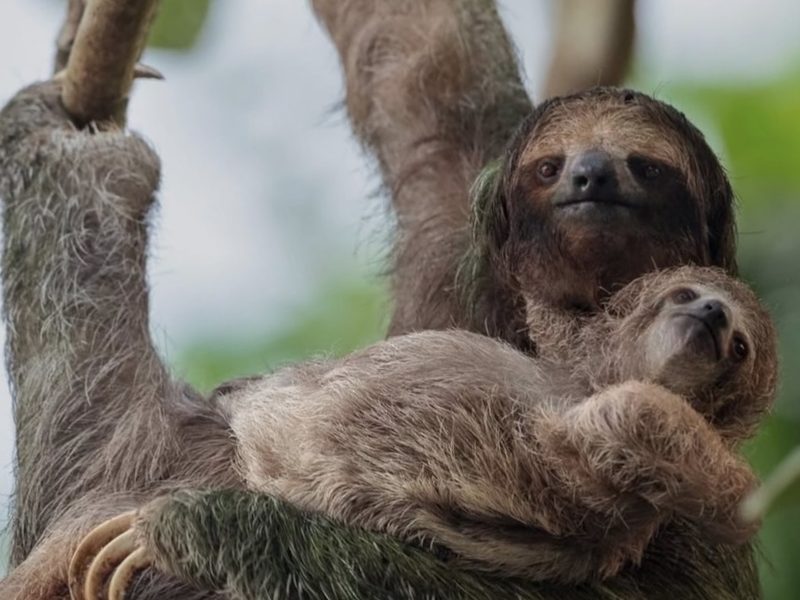
## [Costa Rica Animals and Wildlife: Sloths, Toucans, and More at Nayara in Arenal](https://blog.nayararesorts.com/exploring-the-rich-wildlife-and-natural-world-of-nayara-resorts)
Nov 23, 2023
[](https://blog.nayararesorts.com/wildlife-conservation-in-arenal-and-bocas-del-toro)
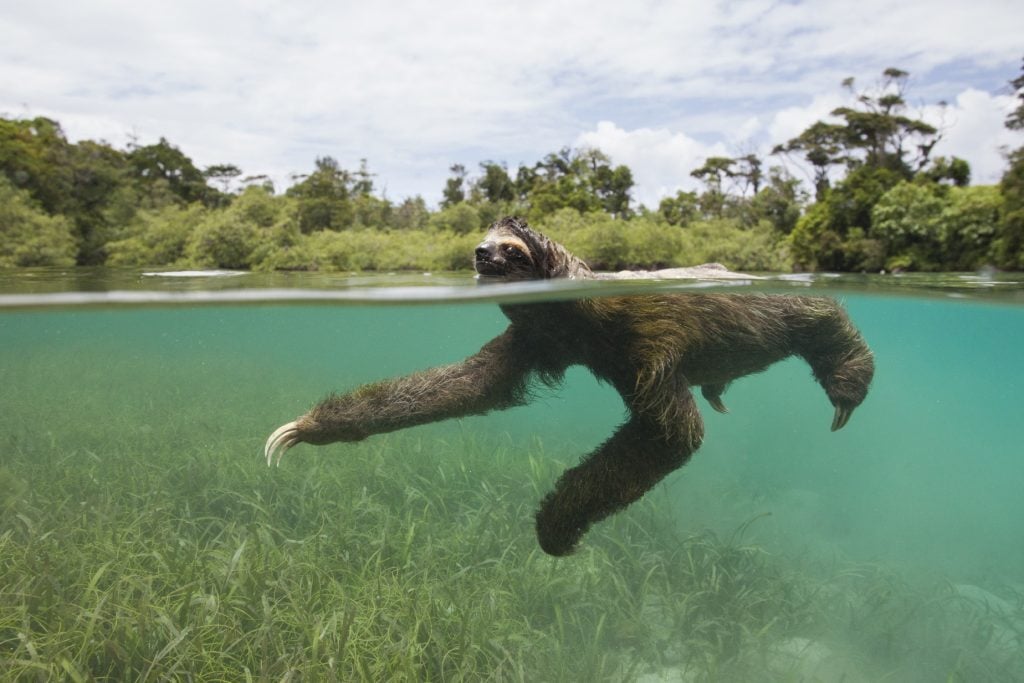
## [Wildlife Conservation in Arenal and Bocas del Toro](https://blog.nayararesorts.com/wildlife-conservation-in-arenal-and-bocas-del-toro)
Feb 28, 2026
[](https://blog.nayararesorts.com/nayara-by-night-of-moon-and-stars)
## [Nayara by Night: Of Moon and Stars](https://blog.nayararesorts.com/nayara-by-night-of-moon-and-stars)
Sep 3, 2025
- [Nayara Gardens](https://nayaragardens.com/)
- [Nayara Springs](https://nayarasprings.com/)
- [Nayara Tented Camp](https://nayaratentedcamp.com/)
- [Nayara Alto Atacama](https://www.altoatacama.com/)
- [Nayara Hangaroa](https://www.hangaroa.cl/)
- [Nayara Bocas Del Toro](https://bocasbali.com/)
-
-
-
-
-
-
- [Costa Rica +506 2479-1600](tel:+50624791600)
- [US +1 844-865-2002](tel:+18883322961)
- [UK +44 1617918120](tel:+441617918120)
```json
{
"@context" : "https://schema.org",
"@type" : "BlogPosting",
"author" : {
"@type" : "Person",
"name" : "Albert Ghitis",
"url" : "https://blog.nayararesorts.com/author/albert-ghitis-1"
},
"dateModified" : "2026-08-04T21:50:07.294Z",
"datePublished" : "2024-09-11T00:18:45.000Z",
"headline" : "Birdwatching in Costa Rica: Toucans of Arenal and Where to See Them",
"image" : [ "https://blog.nayararesorts.com/hubfs/IMG_5791.jpg" ],
"mainEntityOfPage" : {
"@id" : "https://blog.nayararesorts.com/meeting-the-toucans-of-arenal-rainforest-who-they-are-and-how-to-see-them",
"@type" : "WebPage"
},
"publisher" : {
"@type" : "Organization",
"logo" : {
"@type" : "ImageObject",
"url" : "https://blog.nayararesorts.com/hubfs/Captura%20de%20pantalla%202023-04-13%20a%20la(s)%2010.55.13.png"
},
"name" : "Nayara Resorts"
}
}
```