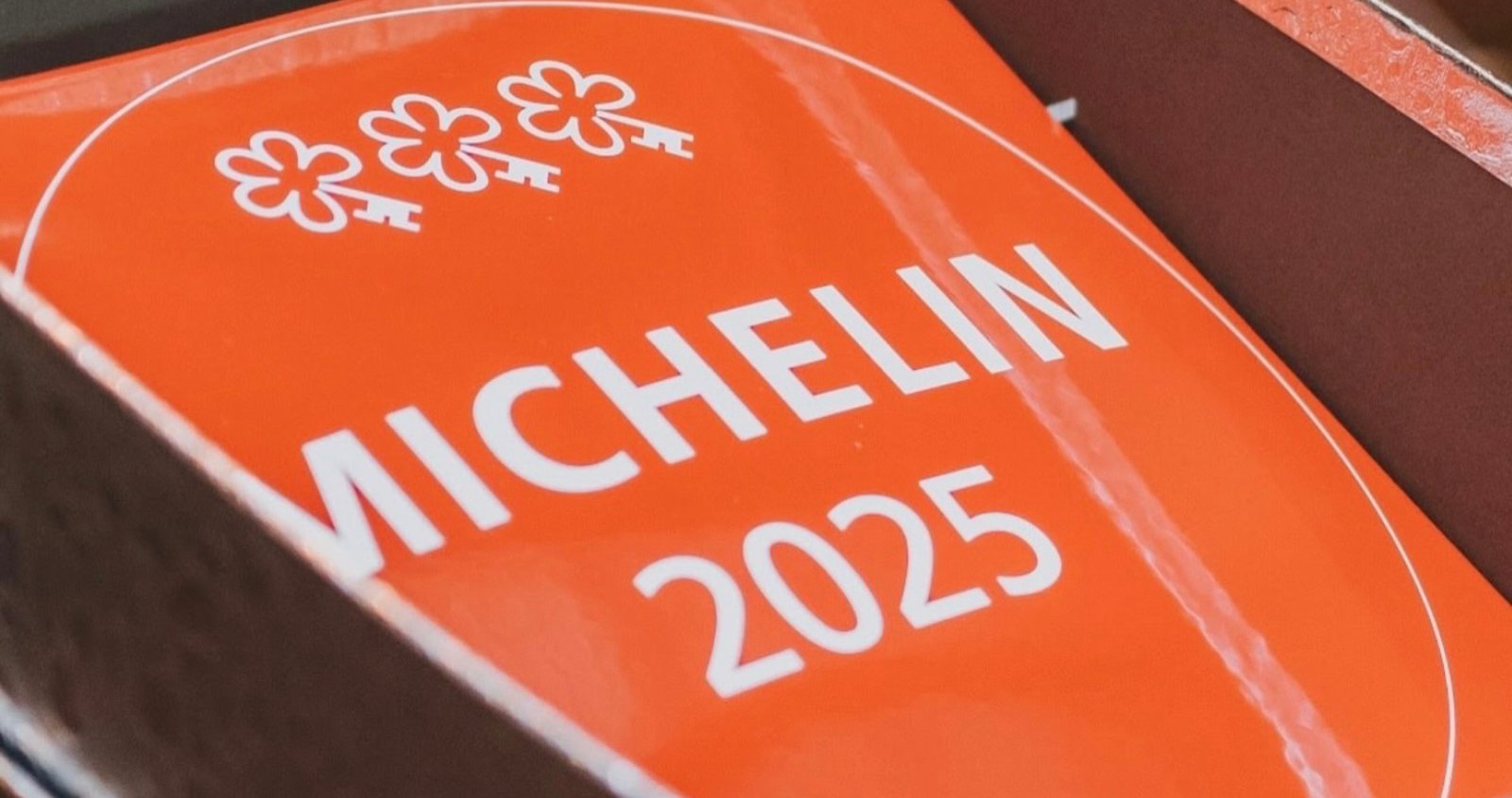
7 MICHELIN Keys, 3 Countries, 1 Standard of Excellence

7 MICHELIN Keys, 3 Countries, 1 Standard of Excellence

Key Findings

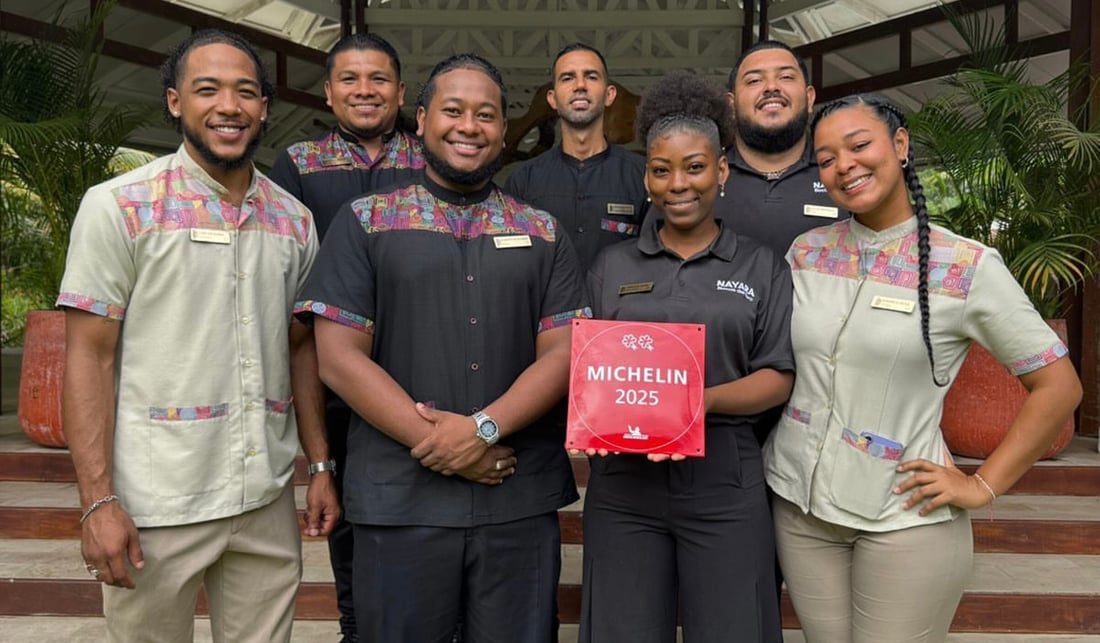
  • Nayara Springs became the first hotel in all of Costa Rica to receive Three MICHELIN Keys, the highest distinction the MICHELIN Guide awards to any hotel, anywhere in the world.
  • Three Nayara properties across two continents earned a combined seven MICHELIN Keys in the 2025 global selection, placing Nayara among the most recognized resort collections in Latin America.
  • MICHELIN evaluates hotels on five criteria unrelated to amenities: connection to place, design integrity, service consistency, meaningful value, and individual character that cannot be manufactured.

MICHELIN Guide: Why Hotels Now Have Keys

For over a century, the MICHELIN Guide has been the most trusted independent voice in hospitality evaluation. Its inspectors travel anonymously, pay their own bills, and answer to no one except the criteria they have spent decades refining. The Star, awarded to restaurants, is one of the most recognized symbols in global culture. Now, the same philosophy applies to hotels.

The MICHELIN Key was introduced as the hotel equivalent of the Star. In 2025, the Guide expanded its hotel selection globally for the first time, evaluating properties across more than 100 countries and awarding Keys to the 2,457 it deemed worthy of distinction. Three tiers exist: One Key for an exceptional stay, Two Keys for a memorable experience with authentic roots in place and culture, and Three Keys for what MICHELIN calls the rarest category, hotels that deliver an extraordinary level of comfort, service, and design that leaves a lasting mark.

What distinguishes the MICHELIN methodology from reader polls and editorial rankings is its independence and its criteria. MICHELIN inspectors are not measuring the size of the pool or the thread count of the sheets. They are asking five questions: Does this hotel feel genuinely connected to its destination? Does its design honor local character? Is the service consistently excellent? Does it deliver meaningful value? And most importantly, does it have an authentic personality that could not exist anywhere else?

That final criterion is the hardest to fake and the first thing guests feel when they arrive. It is also the thing Nayara has built toward since the beginning.


Nayara Springs: Three Keys, the Only One in Costa Rica

When the MICHELIN Guide's global 2025 selection was announced on October 8, one phrase appeared next to the name Nayara Springs: "Costa Rica's first Three-Key hotel."

Three Keys places a property in a global group of 143. Of those 143 hotels, Nayara Springs is the only one in Costa Rica. It shares that distinction with a handful of properties that have become genuine landmarks of world hospitality, places where the experience is not assembled from parts but built from a single, coherent vision of what a stay can be.

The MICHELIN Guide's own description of Nayara Springs captures what its inspectors found: a high-end, adults-only property in the Arenal Volcano region offering exceptional dining, open-air spa pavilions surrounded by forest, and guided excursions that showcase exactly what makes this small Central American country a perennial favorite for international travelers.

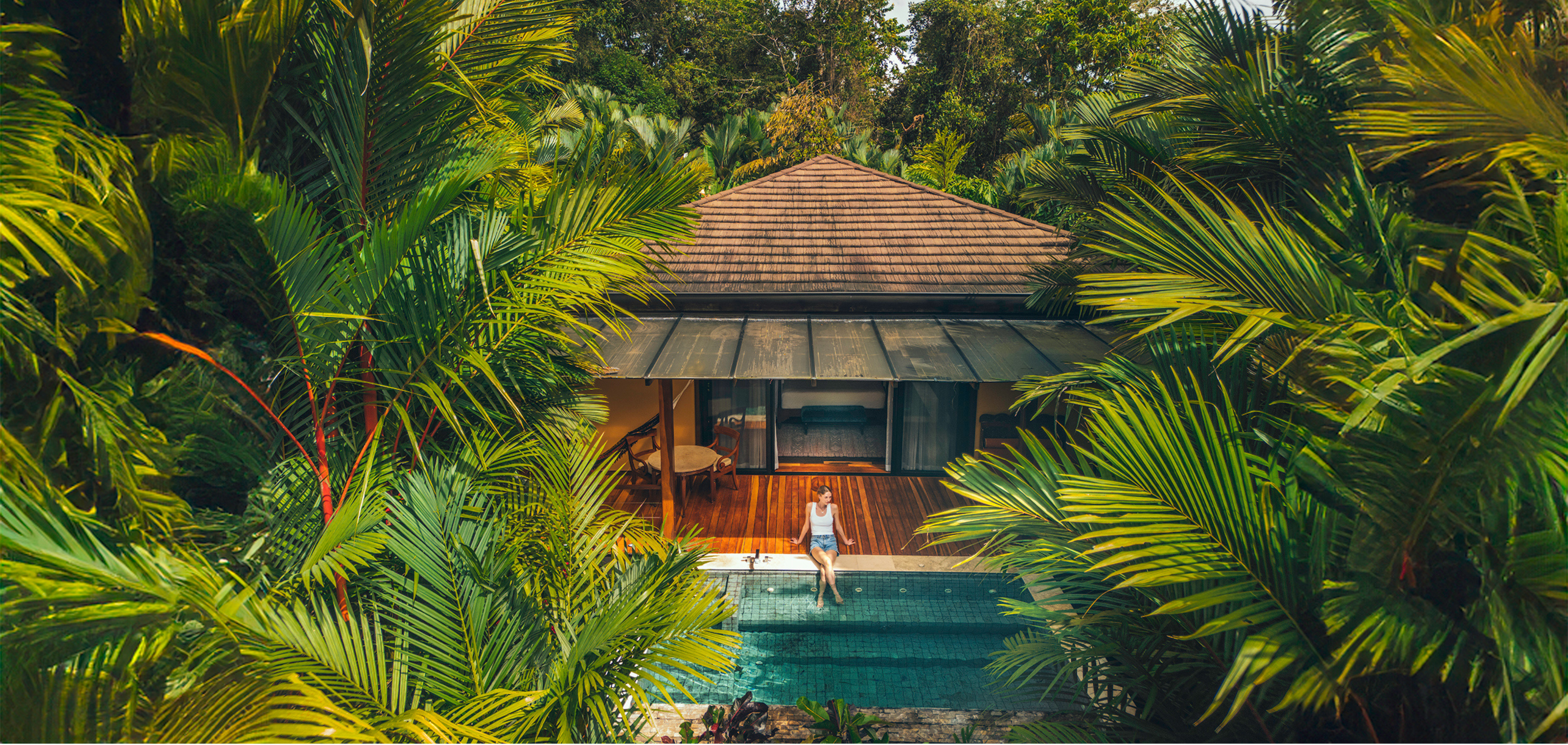
The 35 private villas sit inside the rainforest, each with a spring-fed plunge pool, indoor and outdoor showers, and furnishings drawn from Costa Rican tradition. The architecture does not impose itself on the landscape. It reads as a continuation of it. Elevated walkways thread through the canopy. The spa pavilions open to the forest on all sides. Even the two restaurants, which MICHELIN noted are "frankly more impressive than they really need to be," treat local ingredients and culinary tradition as the starting point, not an afterthought.

What Three Keys ultimately affirms is something Nayara Springs has always understood: that the Arenal region is not a backdrop to the resort. The resort exists as a way of entering it more deeply.

See Nayara Springs in the MICHELIN Guide →

Nayara Springs →

6ABB42F0-5CCD-481D-8E00-9AA3FA45F0D2 3

Nayara Bocas del Toro: Two Keys Above the Caribbean

There is no exact precedent for Nayara Bocas del Toro. Sixteen villas stand on stilts above the Caribbean waters of Isla Frangipani, a private island inside Panama's Bocas del Toro Archipelago. The design, by architect Andrés Brenes, is described by MICHELIN as "unmistakably local and thoroughly modern," a combination that sounds simple and is, in practice, extremely difficult to achieve.

MICHELIN's inspectors awarded Two Keys and described the property as "a blissfully private escape" in which "the experience, in its low-tech immediacy, is just what the modern traveler needs." The coral reefs surrounding the island, among the most biodiverse marine systems in the Caribbean, serve not as scenery but as the primary reason to be there. Swimming, snorkeling, and kayaking are not amenities in a brochure; they are the architecture of daily life at Bocas.

Two Keys in the MICHELIN system means a memorable experience rooted in culture and style. The culture here is specific: the Bocas del Toro Archipelago, its water, its reef, its rhythms. The resort does not translate that experience into something more manageable or more recognizable. It gives guests direct access to it, and trusts them to meet it on its own terms.

Nayara Bocas del Toro is also the property that Condé Nast readers named the #1 Resort in Central America and one of the Top 20 in the world. MICHELIN's Two Keys are a different kind of confirmation, one that required no votes, only inspection.

See Nayara Bocas del Toro in the MICHELIN Guide →

Nayara Bocas del Toro →

778ecad4-352d-4f53-8835-6ec39374a22b 3

Nayara Alto Atacama: Two Keys in the World's Driest Desert

 The Atacama Desert is the driest non-polar desert on Earth. The Cordillera de Sal, the Salt Mountains, rise in shades of red, orange, and ochre around the Catarpe Valley, where Nayara Alto Atacama sits in a terracotta lodge designed specifically not to be seen from a distance.

That is the point. The MICHELIN Guide's description of Nayara Alto Atacama opens with this observation: while some Chilean adventure hotels go in for grand architectural gestures, Nayara Alto Atacama's terracotta lodge was designed to blend in seamlessly with the environment that surrounds it. And when that environment is the otherworldly beauty of the Cordillera de Sal, the result, as subtle as it is, is one of the most visually striking hotels on the planet.

Two Keys from MICHELIN in this context recognize what blending in actually requires: knowing the place well enough to let it lead. The Andean park garden spans over 2,000 square meters of desert, planted with indigenous species and designed to function as a living microcosm of the altiplano. More than half of the staff is indigenous to the region. Chef Daniel Molina's menu at the property's restaurant, Caur, draws from the same cultural knowledge: local, organic, rooted in what the Atacameño people have always known how to grow and prepare here.

The 42 rooms and suites are positioned to maximize natural heating and ventilation, minimizing mechanical climate control. Private terraces face the Catarpe Valley, where the light changes across the day in ways that make sitting still feel like doing something. At night, the hotel's telescope platform opens some of the best skies in the world.

MICHELIN evaluated properties across all of Chile and recognized Nayara Alto Atacama among its very best. The Two Keys reflect what the Atacama demands of anyone who comes here with honest intentions: humility before the landscape, and the craft to honor it.

See Nayara Alto Atacama in the MICHELIN Guide →

Nayara Alto Atacama


What Seven Keys Across Three Properties Means

It would be easy to present these recognitions as a collection: three properties, seven Keys, one brand. But that framing misses something.

Nayara Springs, Nayara Bocas del Toro, and Nayara Alto Atacama are not interchangeable expressions of the same aesthetic. They exist in fundamentally different ecosystems, shaped by different geographies, different cultures, and different relationships between the built environment and the natural one. A rainforest villa above Arenal has almost nothing in common, in material terms, with an overwater suite in the Caribbean or a terracotta room in a high-altitude desert. What connects them is not style. It is a way of thinking about what a hotel is for.

MICHELIN's criteria reward exactly this: the belief that a hotel's primary obligation is to open its destination to the guest, not to insulate the guest from it. Seven Keys across three countries is confirmation that this approach, built place by place, property by property, is recognized as exceptional by the most rigorous evaluators in hospitality.

The MICHELIN Guide evaluated more than 7,000 hotels worldwide. It awarded Three Keys to 143 of them. It is not a ranking system. There is no points total or composite score. An inspector visits, evaluates against five criteria, and either recognizes the hotel or does not.

Nayara Springs, Nayara Bocas del Toro, and Nayara Alto Atacama were recognized. That is what seven Keys means.


Frequently Asked Questions

What are MICHELIN Keys? MICHELIN Keys are the MICHELIN Guide's hotel recognition system, the hotel equivalent of the MICHELIN Star for restaurants. Inspectors evaluate properties against five criteria: connection to destination, design integrity, consistency of service, meaningful value, and authentic individual character. Keys are awarded in three tiers: One Key (exceptional stay), Two Keys (memorable experience rooted in culture), and Three Keys (extraordinary hospitality that leaves a lasting mark).

How many hotels received Three MICHELIN Keys in 2025? Of more than 7,000 properties evaluated globally, only 143 received Three Keys. Nayara Springs is one of them and the only hotel in all of Costa Rica to receive this distinction.

How does MICHELIN evaluate hotels? MICHELIN inspectors travel anonymously, stay as paying guests, and evaluate properties against the same five criteria applied consistently worldwide. The process is independent of advertising, sponsorship, or guest reviews.

What does Two MICHELIN Keys mean? Two Keys denotes what MICHELIN calls "an exceptional stay," a property that delivers a memorable experience with genuine roots in local culture and style. Both Nayara Bocas del Toro and Nayara Alto Atacama received this recognition.

Why did Nayara Springs receive Three Keys and not the other properties? Each MICHELIN Key distinction reflects the inspector's evaluation of that specific property against the five criteria. Three Keys is reserved for hotels that achieve an extraordinary level across all dimensions simultaneously (design, service, connection to place, value, and individuality) at a level the MICHELIN Guide considers exceptional even among outstanding hotels.

Is Nayara Springs the only Three-Key hotel in Costa Rica? Yes. Nayara Springs is the first and only hotel in Costa Rica to receive Three MICHELIN Keys.

What makes Nayara Bocas del Toro distinctive according to MICHELIN? MICHELIN described Nayara Bocas del Toro as an experience where private-island seclusion and the immediacy of the surrounding reef ecosystem combine into something it called "just what the modern traveler needs." The architecture, overwater villas designed by Andrés Brenes, was noted as "unmistakably local and thoroughly modern."

What distinguishes Nayara Alto Atacama from other Atacama hotels? MICHELIN's inspectors highlighted the property's decision to blend into the landscape rather than impose upon it, calling the result "one of the most visually striking hotels on the planet" despite (or because of) its architectural restraint. The indigenous staffing, the Andean garden, and the all-inclusive culinary program were all recognized as expressions of authentic connection to place.


Sources & Further Reading