Every Nayara property holds an independent sustainability certification. Audited, not claimed.
Green Globe compliance indicators audited across four pillars at the Costa Rica and Panama resorts.
Re-audited every year by an independent third party. The certification can be lost if standards slip.
In short: All six Nayara resorts hold independent, GSTC-recognized sustainability certifications. Green Globe across Costa Rica and Panama. Chile's Sello S in the Atacama and on Rapa Nui. Both demand documented evidence, on-site inspection, and annual re-certification. They are audited, not claimed; they can be lost.
The difference between a claim and a certification is an auditor
Anyone can say they are sustainable. The question is who checked.
Every Nayara property holds an independent sustainability certification. The four resorts in Costa Rica and Panama are certified by Green Globe. The two in Chile, Alto Atacama and Hangaroa, hold Chile's national Sello S certification. Both are recognized by the Global Sustainable Tourism Council, meaning both meet the same international baseline, and both require documented evidence, on-site inspection, and annual re-certification.
These are not self-reported badges. They can be lost. What follows is what each standard demands, and what Nayara actually does to hold it: in the rainforest, on a Caribbean island, in the high desert, and on Rapa Nui.
Green Globe: the standard across four resorts
Green Globe is the world's leading certification program for sustainable tourism. It operates in more than 80 countries and is recognized by the Global Sustainable Tourism Council. Certification requires an independent audit against 380 specific indicators across four pillars: sustainable management, social and economic performance, cultural heritage preservation, and environmental stewardship.
It is not a one-time assessment. It requires annual audits and continuous improvement. Four Nayara properties hold it: Nayara Tented Camp, Nayara Springs, Nayara Gardens, and Nayara Bocas del Toro.
What the 380 indicators actually measure
Sustainable management. Carbon-neutral operations certified by Eco Qualis. Zero single-use plastics. Water systems that cut consumption by 40 percent. Waste programs that divert 85 percent from landfill. Renewable energy across the facilities.
Social and economic performance. In Arenal, 85 percent of the staff comes from La Fortuna, with free transport, health insurance, and training. Through a partnership with a local bank, staff can buy homes with no down payment, building equity regardless of their role.
Cultural heritage. Work with local and Indigenous communities. Local guides who carry the region's knowledge. Crafts sourced from local artisans, so tourism enriches culture rather than erasing it.
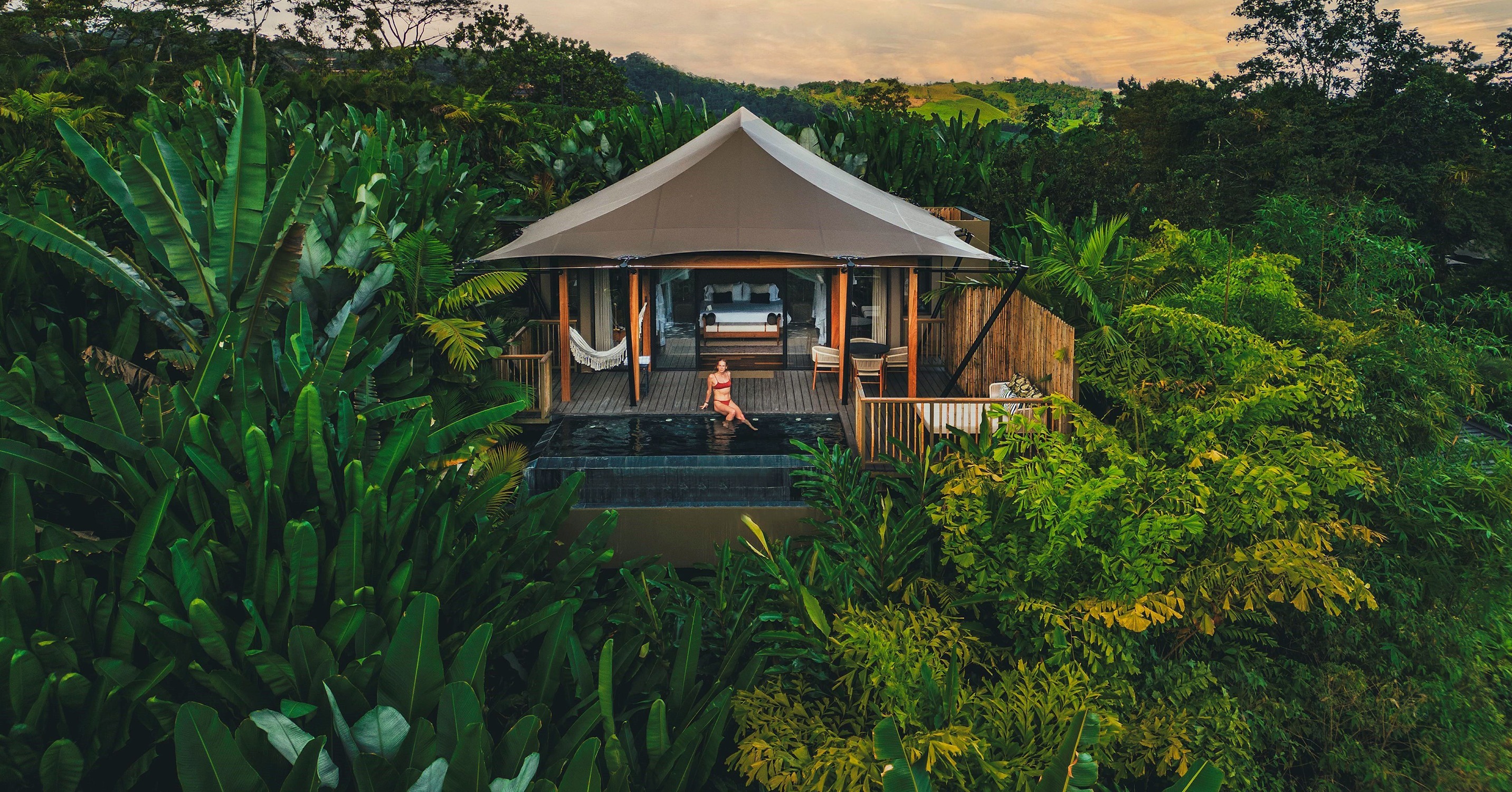
Environmental stewardship. Nayara Tented Camp sits within 30,000 acres of rainforest that shelters half of Costa Rica's bird, mammal, and reptile species. More than 40,000 native trees planted. Wildlife corridors that let sloths, wild cats, and other species move freely. Not just protecting the forest; healing it.
Bocas del Toro: built off-grid, above a living reef
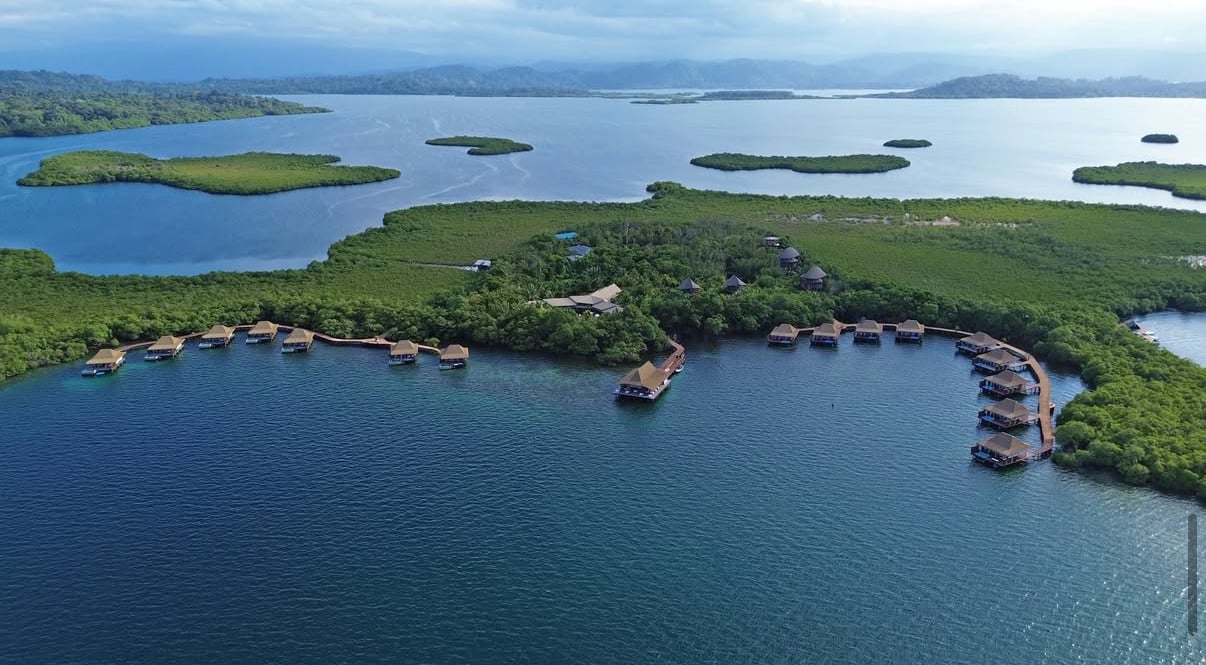
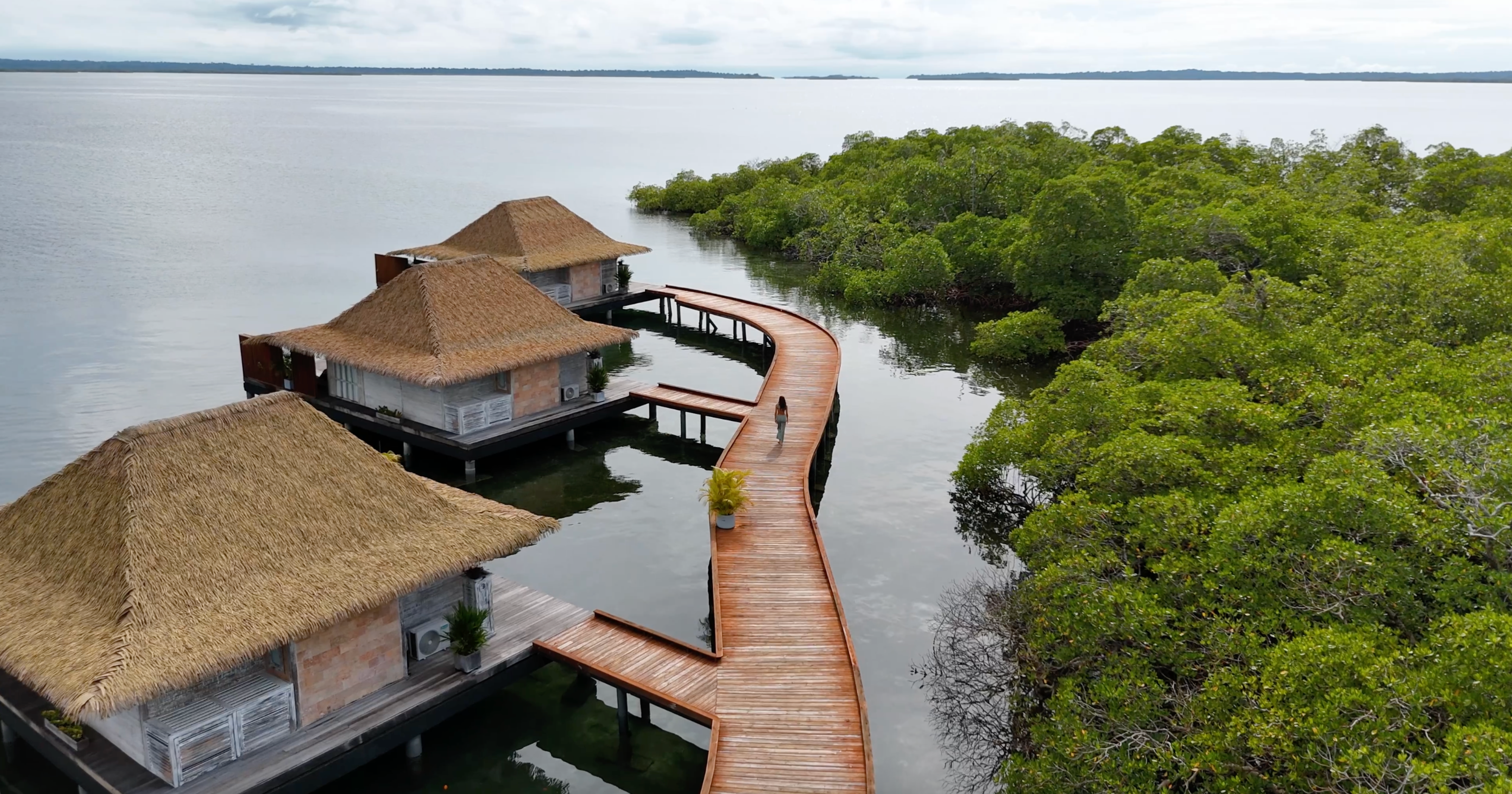
Nayara Bocas del Toro was built entirely off-grid on a private island. Before a single piling was driven into the seabed, five independent environmental impact studies were commissioned, at a cost exceeding $100,000, to understand what lives there and what must govern every construction decision. The resort stands on stilts above the water without harming a single native mangrove or coral head.
Solar panels provide close to 100 percent of its energy. Fresh water comes only from collected rainwater purified by ultraviolet filtration. Wastewater is treated on site. In partnership with the Caribbean Coral Restoration Center, the resort has outplanted more than 500 coral fragments across three restoration sites, alongside mangrove and seagrass protection.

Sello S: Chile's standard in the desert and on Rapa Nui
Chile's S Certification is the government's official sustainability standard for tourism, administered by SERNATUR and recognized by the GSTC since 2014. Properties are audited by an independent third party across socio-cultural, economic, and environmental criteria, with annual re-certification required.
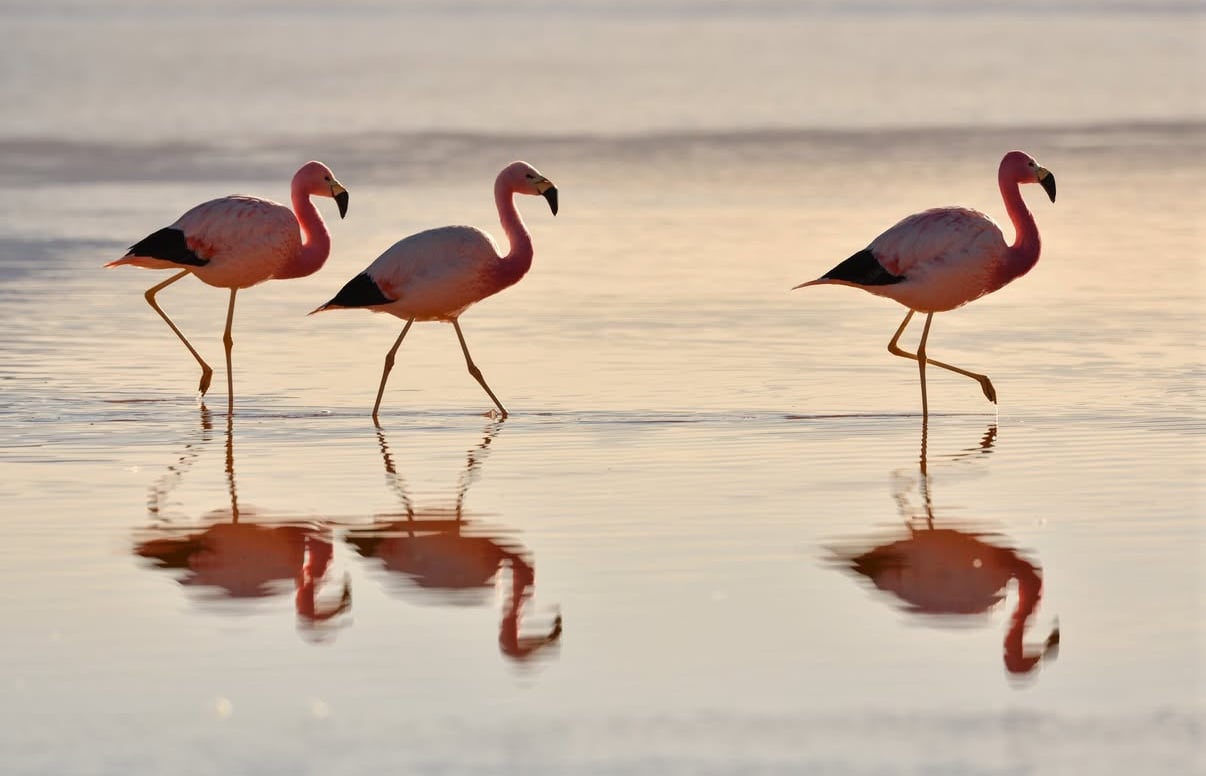
Nayara Alto Atacama. A solar project mitigates more than a ton of CO2 emissions per year, its panels blending into one of the highest-radiation environments on Earth. The adobe rooms are oriented to capture solar warmth and natural ventilation, with insulation drawn from the ancestral building techniques of the Atacameno people. Well water is treated by reverse osmosis for drinking, then reused for irrigation in one of the driest landscapes on the planet.
Nayara Hangaroa. On Rapa Nui, the design follows the Kainga philosophy: green roofs that cool the buildings and blend into the volcanic landscape, architecture that echoes the Orongo ceremonial village. A solar plant reduces dependence on the island's fragile grid, and a wastewater plant recycles graywater for irrigation, protecting Easter Island's delicate ecosystem.
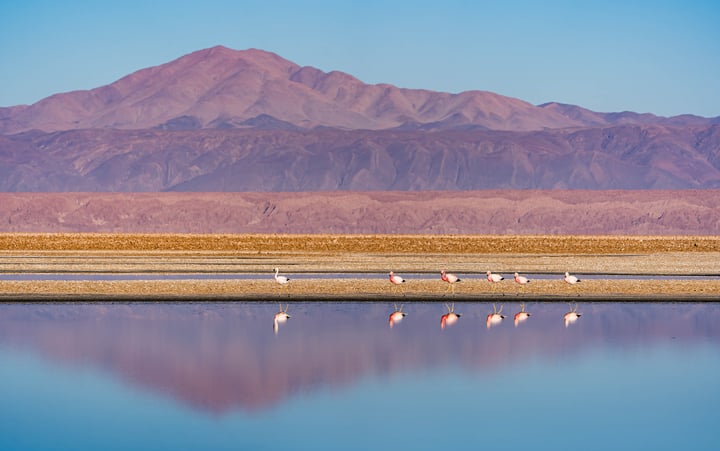
Nayara Alto Atacama and Nayara Hangaroa: the only luxury hotels in their destinations to hold Chile's highest sustainability standard.
Certified beyond the environment
Both standards measure more than energy and water. They validate the full spectrum of responsible operations: from how a hotel sources its food to how it respects the culture of the place it inhabits. In Arenal, that means local hiring and the staff housing program. In Chile, education programs, scholarships, local sourcing, and cultural preservation. In Panama, partnerships with local fishing cooperatives and 25 community organizations across the archipelago.
The rainforest, the reef, the desert, the island. They are not amenities. They are the reason any of this exists.
Why certification matters in luxury travel
The difference between a sustainability claim and a sustainability certification is an auditor. What these standards require is documented, measurable, independently verified performance, reviewed every year, with the real possibility of losing the certification if standards slip.
For Nayara, the certifications are not the goal. They are the proof. The goal is to demonstrate that luxury hospitality and environmental responsibility are not in tension. That the most extraordinary places on earth can be experienced without being diminished. Read: The Nayara Story ↗
Frequently Asked Questions
Are all Nayara resorts sustainability certified?+
What is Green Globe certification?+
What is Chile's S Certification (Sello S)?+
Can the certification be lost?+
What does certification mean for guests?+
Explore the Full Awards Series
The votes, the audits, the keys, and the crown. One story, four chapters.
01 Travel + Leisure: Nayara Tented Camp #1 in Central America #28 in the World →Stay Where the Proof Runs Deep
From the rainforest to the reef, Nayara's sustainability is audited, not asserted.