
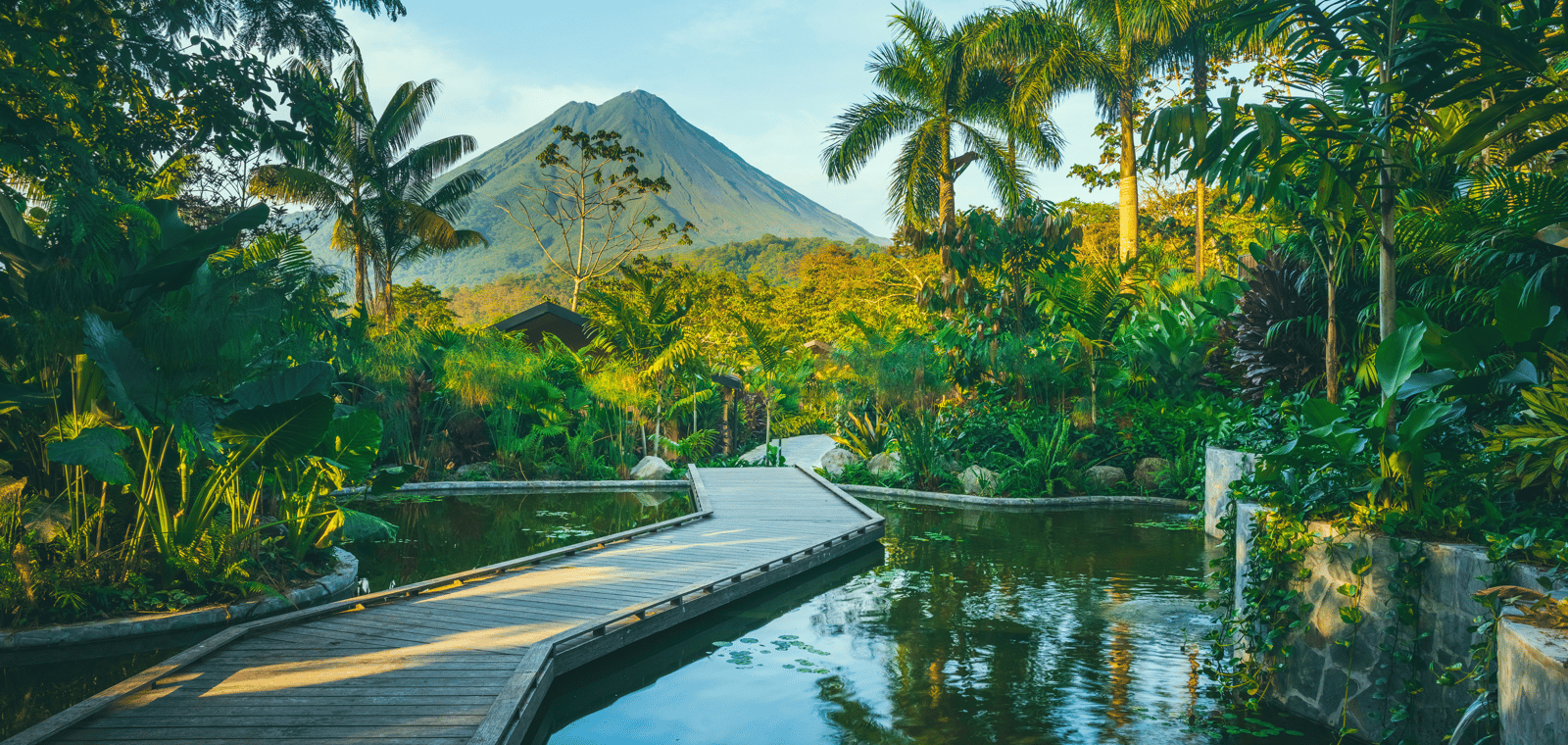
The Top 10 Travel Trends of 2026
Travel in 2026 is increasingly organized around purpose rather than destination: rest and silence, nature as medicine, dark skies, Indigenous-led experiences, soft adventure, solo and multigenerational journeys, Latin America, and regeneration as the standard luxury must meet.
Travelers name rest and recharge as their primary reason to travel in 2026, according to Hilton's annual trends report.
Indigenous tourism's projected contribution to the global economy by 2034, according to the World Travel & Tourism Council.
Travelers want to leave a place better than they found it, according to Booking.com research.
In short: Travel in 2026 is organized around purpose rather than destination. Rest and silence, nature as medicine, dark skies, Indigenous-led experiences, soft adventure, solo and multi-generational journeys, the rise of Latin America, and regeneration as the standard luxury must meet. Ten trends; where each already lives across six ecosystems.
How Travel Is Being Redefined
Travel in 2026 is not about ticking destinations off a list. It is about traveling on purpose. Luxury travelers are redefining what it means to get away: deeper meaning, quieter escapes, cosmic wonder, connection to nature and heritage and community. The question is no longer only where to go but why to go.
Structural pressures are at work. Social isolation has been identified as a significant public health concern. Rapid advances in artificial intelligence have streamlined logistics but cannot provide presence, quiet, trust, or human connection. Climate change and the return of over-tourism have forced travelers to rethink timing, impact, and destination choice.
This search for meaning is not new for Nayara. Since the earliest days, destinations have been designed around the idea that travel should restore, inspire, and connect. The broader market is now catching up to what has long been practiced: travel with soul.
The ten trends below are not forecasts. They are observable patterns rooted in traveler behavior, scientific reality, and lived experience.
Whycations
Travel now begins with purpose.
Hilton's 2026 research names this shift directly: trips are planned around emotional intention rather than destination status. Rest, renewal, reflection, reconnection, contribution. The destination becomes the setting that supports the intention.
Burnout, digital saturation, and social fragmentation have altered how people value time away. 56 percent of travelers name rest and recharge as their leading reason to travel. Thirty-seven percent seek time in nature. Seventy-two percent want time off specifically to explore personal passions and skills.
At Nayara, the whycation is not a concept layered onto the experience. It is the premise. Destinations are chosen for their ability to hold attention and reframe scale. Many guests arrive marking transitions: recovery, reconnection, personal milestones. The environment supports those intentions because it carries its own authority.
Hushpitality
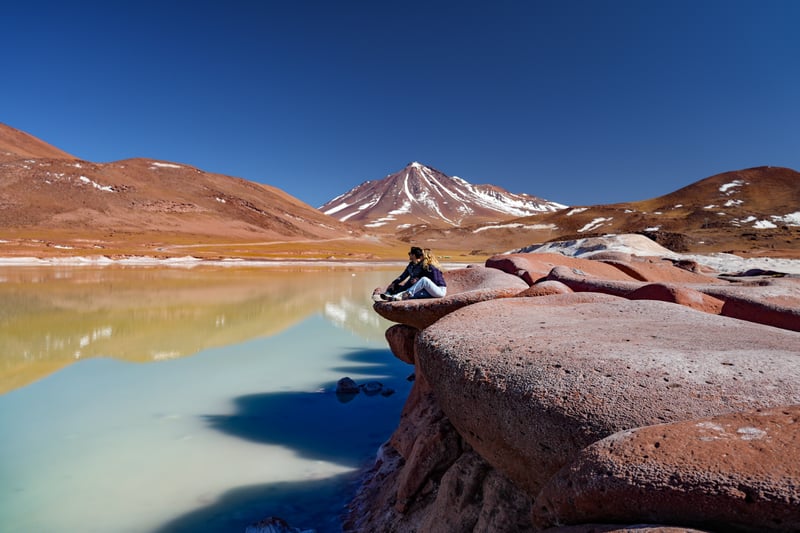
Quiet has become a destination.
In an always-on world, silence is no longer assumed. It is sought. More than half of respondents in Hilton's research cite rest and recharge as the top motivation for leisure travel. Nearly half add solo days before or after family trips specifically to secure quiet time.
This is not indulgence. It is correction. Constant information, urban noise, and digital presence have created an environment where uninterrupted calm is scarce. Travel has become one of the few remaining spaces where quiet can be reliably found.
At Nayara, hush is not engineered. It is inherent. Properties are located away from urban density. Architecture and spacing preserve privacy through distance rather than signage. Natural soundscapes dominate. Service adapts to presence rather than interrupting it. Hushpitality is not about isolation. It is about control.
Nature-Based Wellness
Wellness has moved outside.
The global wellness economy reached $6.8 trillion in 2024 and is forecast to reach $9.8 trillion by 2029. Wellness-tourism expenditures alone reached $894 billion in 2024. Meanwhile, 43 percent of travelers say they would take a trip specifically to feel closer to the natural world.
Growth is driven not by spa menus but by environment. Travelers build itineraries around ecosystems that support physiological and psychological recovery. Studies on forest bathing consistently show reductions in cortisol, improvements in mood and attention. Exposure to natural light, organic soundscapes, and non-urban environments produces measurable biological effects.
At Nayara, wellness is place-led. The environment does most of the work. Hospitality exists to create access, privacy, and continuity. Wellness emerges not from programming alone but from immersion.
For more, see Nature-Based Wellness at Nayara.
Astro-tourism
Night skies are now itineraries.
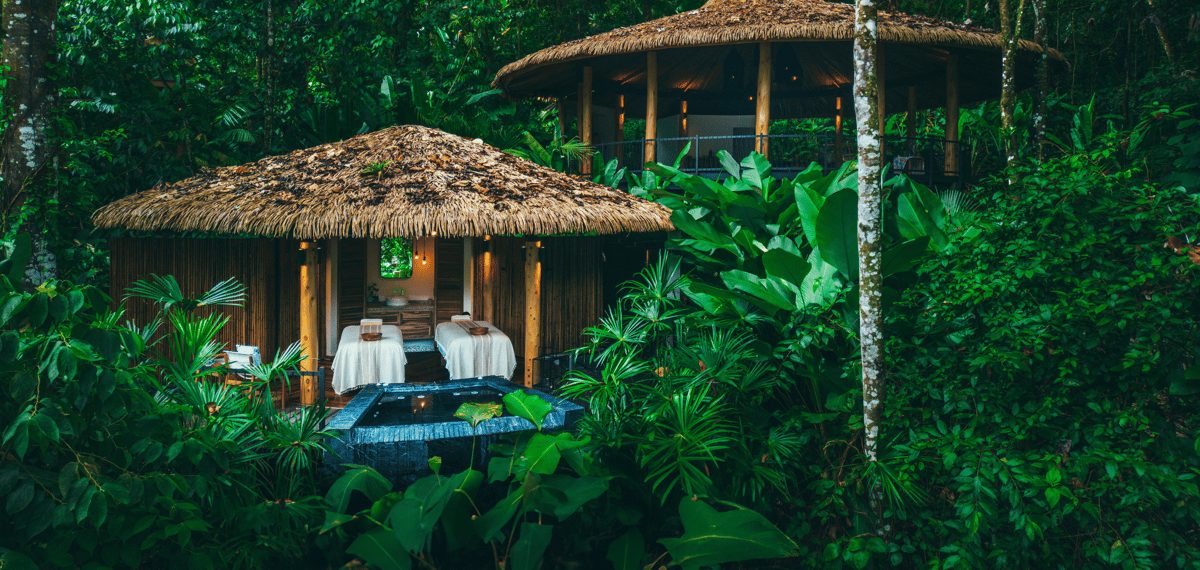
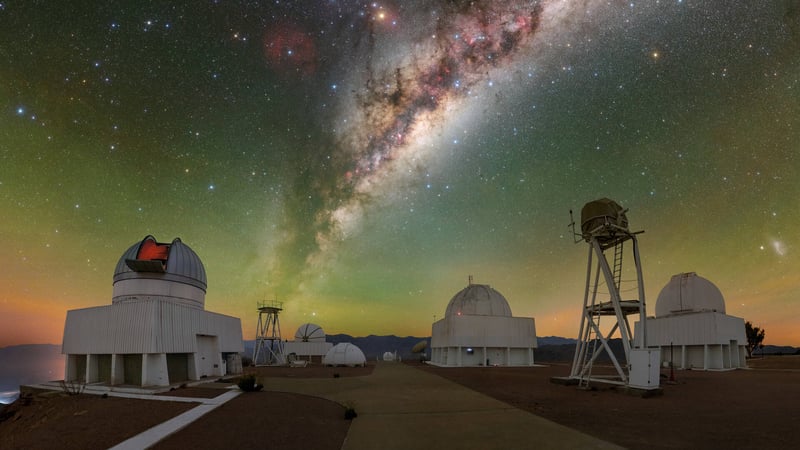
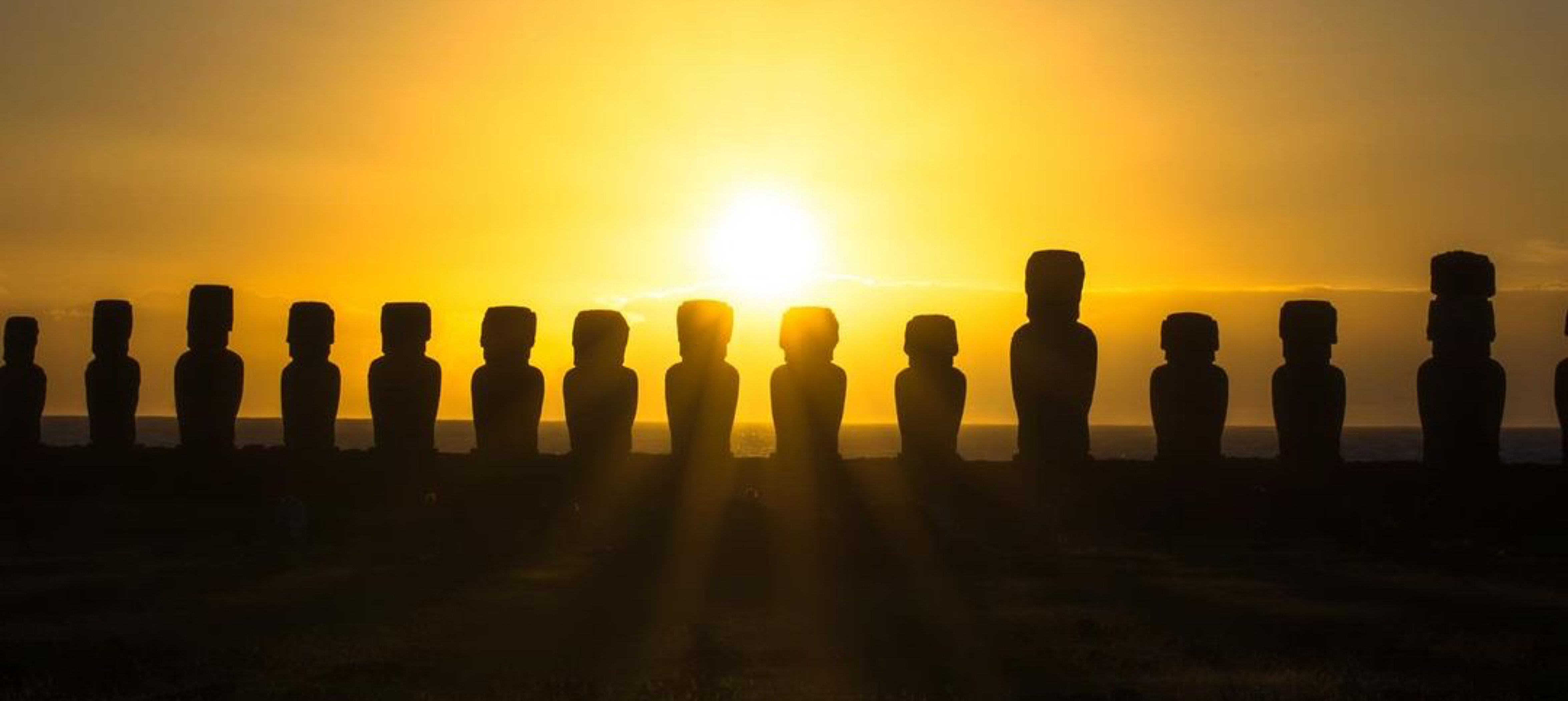
Astrotourism is growing from a simple constraint: true darkness has become rare. More than 80 percent of the world's population lives under light-polluted skies, and the Milky Way is no longer visible to more than one third of humanity. Darkness has become a finite natural resource.
The Atacama Desert represents the opposite condition. High altitude, extreme dryness, and atmospheric stability reduce water vapor interference, creating some of the clearest skies on Earth. These conditions are not aesthetic. They are physical.
At Nayara Alto Atacama, the night sky is not a backdrop. It is the experience. For more, see Nayara by Night.
Indigenous-Led Travel
Cultural authority has shifted.
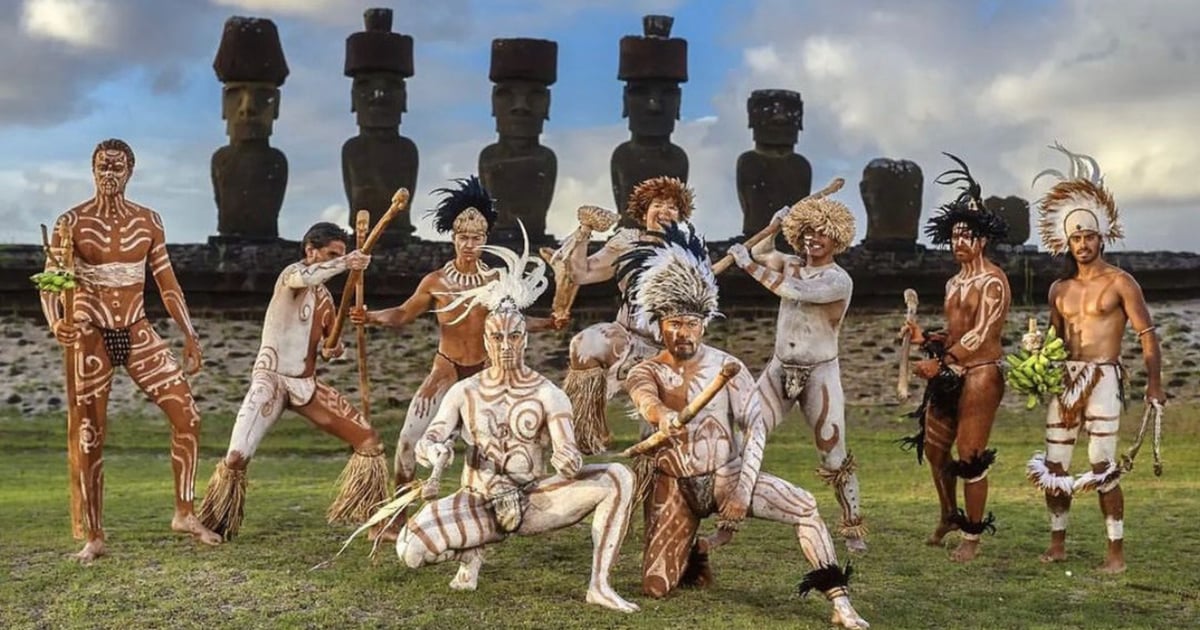
Indigenous-led tourism is reshaping how travelers understand place. The World Travel and Tourism Council projects that Indigenous tourism will contribute $67 billion to the global economy by 2034. This is not about access to culture. It is about who guides the narrative.
Travelers seek experiences led by the communities whose heritage defines the land. Indigenous-led travel prioritizes continuity, stewardship, language, and relationship rather than performance. It intersects with ecological care because cultural preservation and environmental responsibility are inseparable in Indigenous worldviews.
At Nayara Hangaroa, Rapa Nui culture is not presented as artifact. It is lived. The Hito family, a multigenerational Rapa Nui lineage, are part owners of the resort. For more, see How Nayara Hangaroa Leads Regeneration on Rapa Nui.
Soft Adventure
Adventure has shifted from conquest to connection.
Adventure Travel Trade Association research identifies guided hikes, cultural experiences, cycling, culinary travel, and wellness-focused journeys among the activities shaping adventure travel. They prioritize proximity to place over technical difficulty, and meaning over adrenaline.
Soft adventure aligns with sustainability expectations. Low-impact activities leave fewer ecological scars while fostering appreciation for ecosystems and local knowledge. Guided exploration reduces strain on fragile landscapes and encourages respect for limits.
At Nayara, adventure places guests inside living systems. Forest paths, open water, desert terrain, and coastal ecosystems become classrooms rather than obstacles. The experience is defined by what is encountered, not what is conquered.
Solo Travel
Autonomy has become a primary travel value.
More than a quarter of travelers plan to travel alone. Many deliberately add solo days around family or group trips to secure personal space. Remote work and location independence have accelerated this; travelers are no longer constrained by fixed vacation windows or companion availability.
Solo travel overlaps directly with hushpitality and whycations. It offers space to pursue intention without compromise. It allows travelers to choose silence or connection as needed, rather than negotiating it.
At Nayara, the solo traveler experience is supported by design rather than segmentation. Privacy is inherent. Community spaces exist without pressure. Experiences can be shared or solitary.
For more, see Solo Female Travel at Nayara.
.jpeg?width=800&height=1000&name=The%20Future%20of%20Solo%20Travel%20is%20Female%20(11).jpeg)
Multi-Generational Travel
Experiences are replacing inheritance.
73 percent of parents now expect their children to help plan the trip. Nearly three in ten families are embracing skip-gen travel, where grandparents and grandchildren travel together without the middle generation. Families are choosing to spend on shared experiences rather than deferred financial legacy.
Multi-generational travel requires a new kind of destination. The environment must hold different energy levels without constant planning. Activities must be adaptable. Space must allow both togetherness and separation.
At Nayara, multi-generational travel works because nature carries universal appeal. Wildlife, water, and open landscapes engage across ages. The setting itself reduces friction. Time itself is the rarest luxury.
Latin America Rising
Latin America has moved from peripheral interest to global priority.
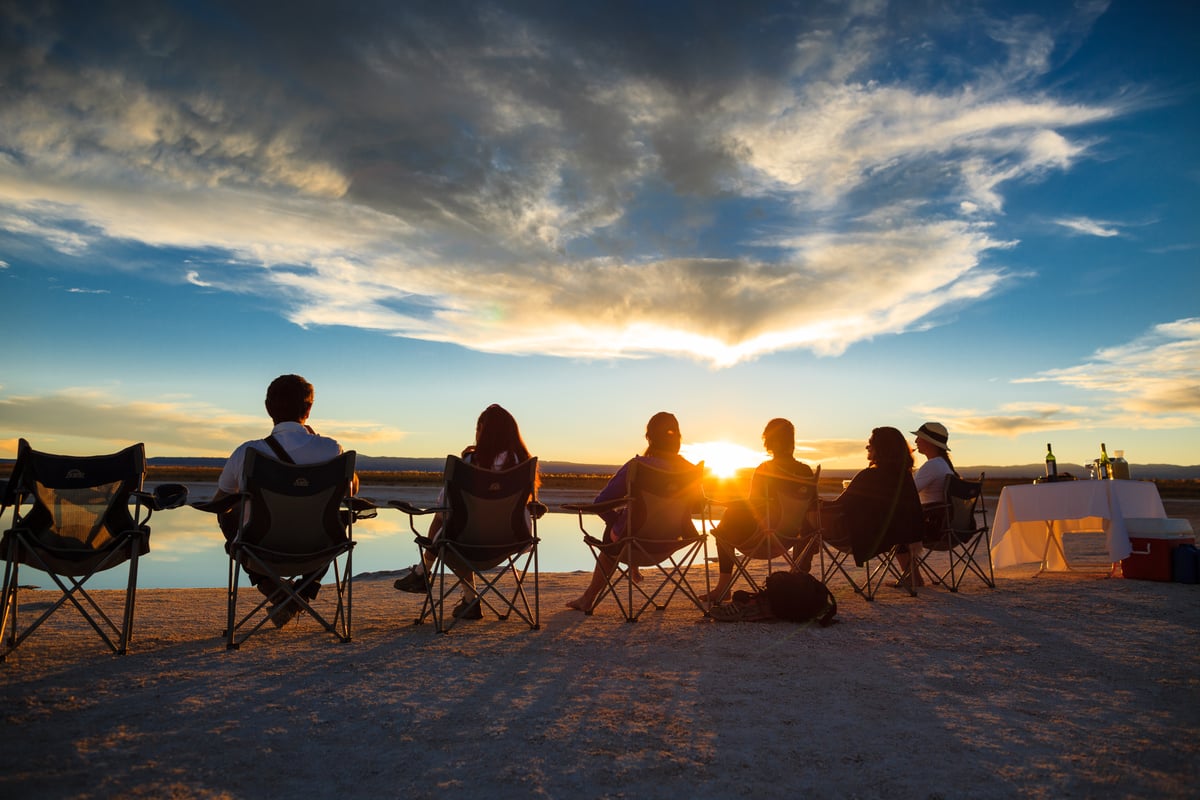
International travel to the region has rebounded strongly. A Latin American Travel Association summary of the WTM Global Travel Report found Central America leading the recovery, with arrivals roughly 25 percent above 2019 levels by 2025. Costa Rica, Colombia, Ecuador, and Chile have built reputations around conservation, community engagement, and nature-forward tourism.
Latin America offers biodiversity at scale, cultural depth that is lived rather than staged, and landscapes that remain relatively uncongested compared to legacy markets. These attributes match rising traveler expectations around sustainability, authenticity, and meaning.
At Nayara, this geography is central. Destinations span rainforest, desert, island, and sea, each with its own rhythm and limits. These places do not compete on sameness. They compete on character. Latin America is rising because it answers the central question of travel in 2026: Where can I go that still feels real.
Regenerative Travel
The most relevant shift. The most Nayara-defining.
Regenerative travel is not a trend layered on top of others. It is the framework that holds them together. Sustainability focuses on reducing harm. Regeneration focuses on leaving places stronger. The WTTC frames regenerative travel as the next stage of sustainable tourism, where what is taken must feed back into the systems that support it.
Sixty-nine percent of travelers want to leave places better than when they arrived. A growing majority want their spending to benefit local communities. Regeneration connects intention to action. It translates whycations into responsibility, hushpitality into restraint, nature-based wellness into care, and Indigenous-led travel into continuity.
At Nayara, regeneration is operational reality. Rainforests demand restoration. Deserts demand restraint. Islands demand guardianship. Regeneration is what allows travel to continue without hollowing out the very environments people come to experience.
The Travel Trends Shaping 2026
What is a whycation?+
What does hushpitality mean?+
Why is astrotourism growing so quickly?+
What defines Indigenous-led travel?+
How is regenerative travel different from sustainable travel?+
Why are multi-generational trips increasing?+
Albert Ghitis
Digital Marketing · Nayara Resorts
Albert Ghitis leads digital marketing at Nayara Resorts, overseeing editorial and newsletter strategy, search and AI discovery, and paid digital media. He is also the host of Nayara Horizons: Beyond Travel, a podcast exploring the people, places and ideas shaping travel today.
More from Albert Ghitis →Begin Your Nayara Journey
From rainforest and reef to desert and island, discover the destination that matches how you want to travel.
Travel Trends
- Hilton: 2026 Trends Report and Research Methodology
- Booking.com: What Residents Want From More Sustainable Travel
- Booking.com: Travel Predictions for 2026
- Global Wellness Institute: 2025 Global Wellness Economy Monitor
- Global Wellness Institute: Wellness Tourism Market Data
- World Travel & Tourism Council: Indigenous Tourism Economic Impact
- World Travel & Tourism Council: What Is Regenerative Travel?
- Adventure Travel Trade Association: 2026 Adventure Travel Trends
- Latin American Travel Association: WTM Global Travel Report 2025
- Science Advances: New World Atlas of Artificial Night Sky Brightness
- DarkSky International: Light Pollution Research

.jpg)